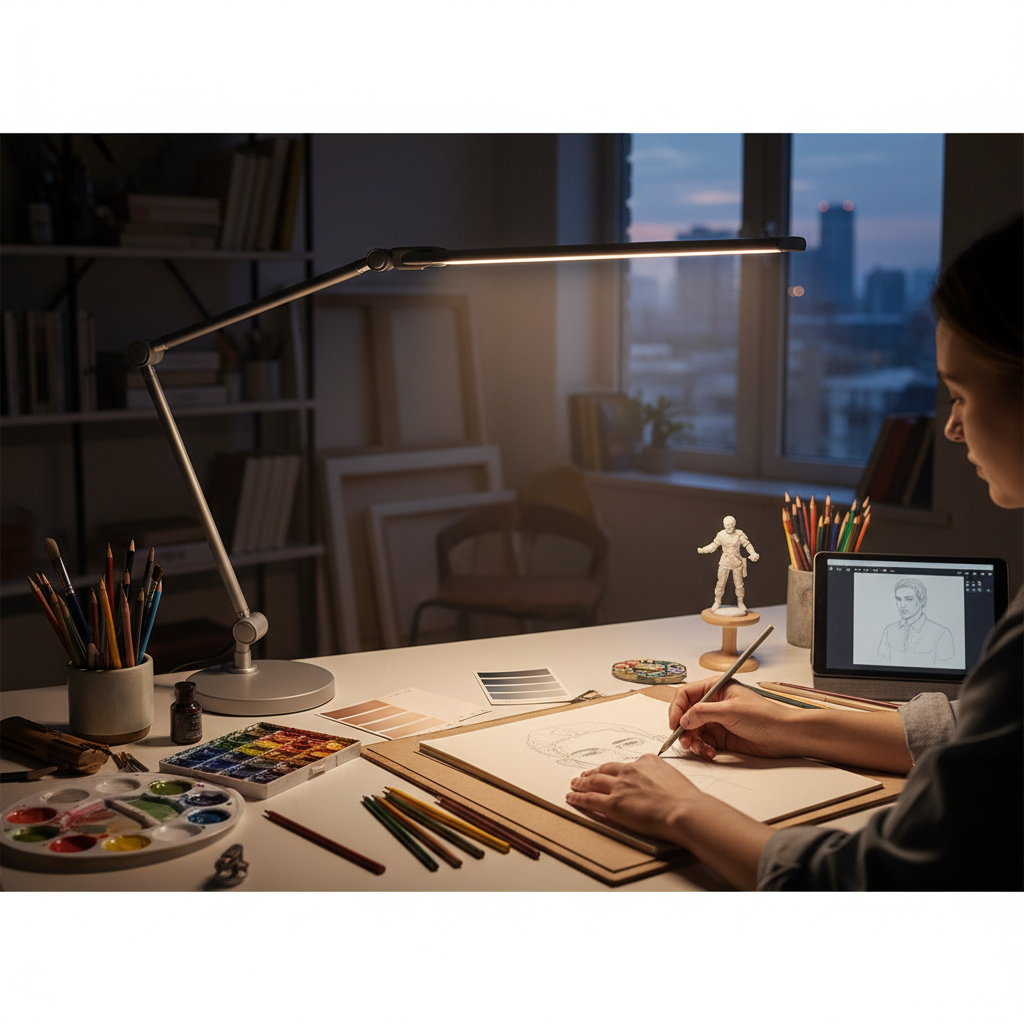
Every artist knows that light is more than just illumination; it’s a vital partner in the creative process. Whether you’re sketching delicate lines, mixing vibrant paints, or meticulously detailing a miniature, the right desk lamp can profoundly impact color perception, visual comfort, and the overall quality of your work. As someone who has dedicated years to testing and evaluating hundreds of desk lamps, I understand the nuances that separate an ordinary light from an artist’s essential tool. This guide will walk you through the top considerations and best models to help you choose the perfect desk lamp to light up your artistic journey in 2026, ensuring every stroke and shade is seen with true clarity.
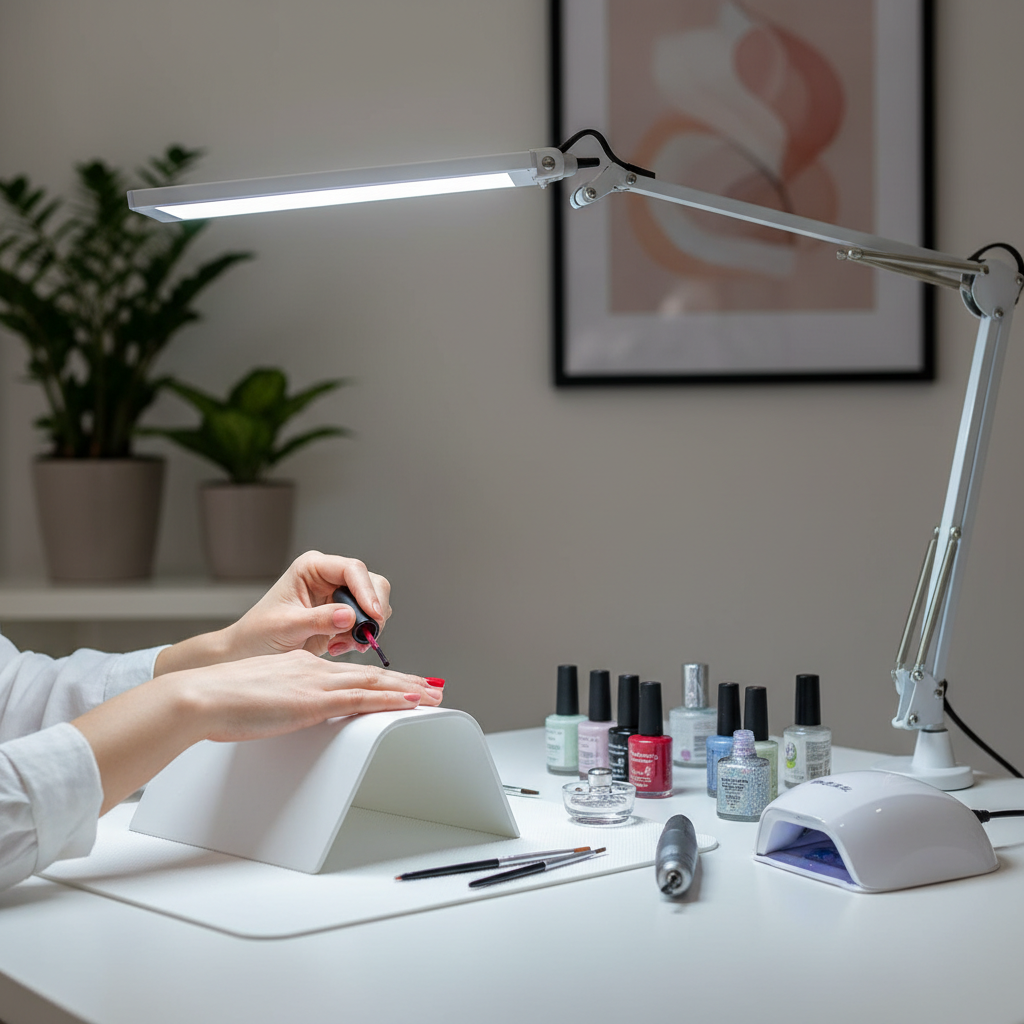
Popular Desk Lamp Types for Artists
Artists have diverse needs, and thankfully, desk lamp manufacturers have responded with a variety of designs tailored for different artistic practices. Understanding these types is the first step in finding your ideal lighting companion.
Art Studio Desk Lamps (General Purpose)
These lamps are workhorses, designed to provide broad, consistent illumination for a variety of tasks in a bustling studio.
- Pros: Often offer wide coverage, adjustable brightness, and color temperature. Many are built with robust, flexible arms to direct light precisely.
- Cons: Can be larger or heavier, potentially taking up significant desk space if not clamp-mounted.
- Selection Criteria: Look for models with high Color Rendering Index (CRI 90+), adjustable color temperature around 5000K, and ample brightness (1000-2000 lux at the surface). The BenQ e-Reading Desk Lamp is a standout here, celebrated for its wide, even light spread, high CRI, and auto-dimming capabilities. The Daylight Company Tricolor Table Lamp also offers accurate color with convenient warm/neutral/daylight toggles.
|
Our Picks for the Best Desk lamp in 2026
As an Amazon Associate I earn from qualifying purchases.
|
||
| Num | Product | Action |
|---|---|---|
| 1 | CHARYJOD LED Desk Lamp for Office Home, Height Adjustable Architect Desk Light with USB Adapter, Stepless Dimming Desk Lamp Light for Reading, Study, Workbench |

|
| 2 | Micomlan Led Desk Lamp with Clamp, Architect Desk Lamp for Home Office with Atmosphere Lighting, 24W Ultra Bright Auto Dimming Computer Light Stepless Dimming and Tempering LED Table Light |
|
| 3 | Sailstar Desk Lamp, LED Desk Lamps for Home Office, Wireless Charger Small Desk Lamp with Pen Holder, 3 Color Modes, Dimmable, CRI 85, 800LM, Study Lamps for College Dorm Room, Adapter Included, Black |
|
| 4 | 15W LED Desk Lamp with USB Charging Ports – Dimmable Table Lamp with 3 Color Temps, 5 Brightness, 4 Timers, Flexible Gooseneck Light with Base, Eye-Caring Reading Light for Home Office, Bedroom, Study |
|
| 5 | BOHON LED Desk Lamp with USB Charging Port 3 Color Modes Dimmable Reading Light Intelligent Induction Auto Dimming Task Lamp Neck Flexible Table Lamp for Bedside Office, AC Adapter Include |
|
| 6 | LED Desk Lamp with USB Ports,Touch Desk Lamps for Home Office with 5 Color Modes,3 Brightness Desk Light with Small Night Light,Reading Lamp Table Lamp for Bedroom Bedside Study Black (with adapter) |
|
| 7 | Motumen Led Desk Lamp for Home Office, Eye-Care Architect Light with Clamp, Smart Double Head Computer Monitor Table Clip Lamp, Adjustable Flexible Goose-Neck, 25 Lighting Models, Task Lamp, Black |
|
| 8 | Fenmzee Bedside Table Lamp for Bedroom - 3 Way Dimmable Touch Lamp USB C Charging Ports and AC Outlet, Small Lamp Wood Base Round Flaxen Fabric Shade for Living Room, Desk, LED Bulb Included |
|
| 9 | Airlonv LED Desk Lamp for Office Home, Eye-Caring Desk Light with Stepless Dimming Adjustable Flexible Gooseneck, 10W USB Adapter Desk Lamp with Clamp for Reading, Study, Workbench (Black) |
|
| 10 | Voncerus LED Desk Lamp with Clamp, Eye-Caring Clip on Lights for Home Office, 3 Modes 10 Brightness, Long Flexible Goose-Neck, Metal, Swing Arm Architect Task Table Lamps with USB Adapter, Black |
|
Drafting and Drawing Lamps
Precision is paramount for drawing and drafting. These lamps are characterized by their ability to cast a wide, shadow-free light across a large workspace, making fine details pop without straining your eyes.
- Pros: Feature long, articulating arms or wide light bars for extensive coverage. Excellent for reducing hand shadows and glare.
- Cons: Some can be quite large, requiring a stable clamp or a sturdy, heavy base.
- Selection Criteria: Prioritize lamps with excellent adjustability and an elongated head to spread light evenly. The PHIVE Architect LED Clamp Lamp is a popular choice for its wide light bar and multiple color modes. For those working on larger pads, the Neatfi XL LED Task Lamp offers powerful, wide illumination, though you might want to pair it with a higher CRI source if color accuracy is critical.
Painting and Color Mixing Lamps
For painters, seeing true colors is non-negotiable. These lamps simulate natural daylight to ensure your palette looks the same under artificial light as it will in varying natural conditions.
- Pros: Offer superior color accuracy (very high CRI) and often a neutral color temperature (around 5000K), which is the standard for professional color viewing.
- Cons: May come at a higher price point due to specialized LED technology. Some might have fixed color temperatures.
- Selection Criteria: A CRI of 95 or higher is crucial. Adjustable color temperature, particularly around the 5000K daylight spectrum, is also highly beneficial. The Redgrass R9 Desk Lamp, a Red Dot Design Award winner, is renowned for its unparalleled color accuracy thanks to its R9 Color Perfect technology. The Daylight Company Luminos, with its heavy-duty arm and wide head, also provides excellent power and accuracy for larger canvases.
Detail Work and Magnifying Lamps
When your art requires intricate precision—think miniature painting, etching, or fine linework—a magnifying lamp becomes indispensable.
- Pros: Integrates magnification with bright, focused light, reducing eye strain during close-up tasks.
- Cons: Magnification levels vary, and some models might have smaller light spreads.
- Selection Criteria: Look for optical-grade lenses and bright, even LEDs. The Brightech LightView Pro LED Magnifying Art Lamp offers comfortable magnification for close work, while the Daylight Company Omega 5 Magnifying Lamp provides interchangeable glass lenses and excellent arm stability. The OttLite 2-in-1 LED Magnifier is also a versatile option, convertible between desk and floor use.
Portable and Clip-On Lamps
For artists on the go or those with limited space, these compact and versatile lamps provide targeted light without a large footprint.
- Pros: Lightweight, easy to transport, and can be attached to various surfaces like easels, drawing boards, or shelves.
- Cons: Might not offer the same expansive light spread or heavy-duty stability as larger desk lamps. Battery life can be a consideration for rechargeable models.
- Selection Criteria: Prioritize strong, flexible clips and adjustable necks. The OttLite Clip-On LED Lamp is lauded for its small size, flexibility, and strong light output, making it perfect for remote work or small studio spaces. The AILBTON LED Desk Lamp is another foldable option that offers versatility and multiple light settings.
Comparing Popular Desk Lamp Brands for Artists
Choosing a desk lamp for your art requires weighing various factors, from light quality to ergonomic design. Here’s a comparison of some frequently recommended brands and models, highlighting their key specifications and ideal use cases.
| Feature | BenQ e-Reading Desk Lamp | Daylight Company Tricolor Table Lamp | OttLite Clip-On LED Lamp | Neatfi XL LED Task Lamp | LumiCharge LED 6 in 1 |
|---|---|---|---|---|---|
| Price Range | Premium | Mid-High | Budget | Mid-Range | Mid-Range |
| CRI | >95 | 95+ | >95 | ~80 | >95 |
| CCT Range | 2700K-5700K | 2700K / 4000K / 6000K (3 presets) | 3000K-5500K | 6000K (some CCT versions 3000K-6000K) | 2700K-5500K |
| Brightness | 1600 Lux | High, even spread | 750 Lumen | 2200 Lumen | Dimmable |
| Adjustability | Wide range, auto-dimming | Flexible arm, easy height/angle tweaks | Flexible neck | Ergonomic, wide illumination | Motion adjustments |
| Special Features | Curved head for even coverage, flicker-tested | True-to-life color, shadow-free light pool | Clip-on, portable, strong light bulb | Ideal for large areas, glare-free | Wireless charging, multiple physical charging ports, digital display, motion sensor |
| Ideal For | Mixed media, digital + traditional, eye comfort | Illustrators, painters needing accurate color | Portable use, detailed work, small spaces | Large paintings, cutting/assembly, fighting shadows | Tech-savvy artists needing charging solutions and smart features |
Expert Insight:
“I’ve found that the best artistic setups aren’t about one ‘perfect’ lamp, but a combination. A high-CRI, color-accurate lamp for your palette or primary work area, complemented by a wider, brighter task light to minimize shadows and illuminate your entire surface, creates a truly optimized workspace.”
Guide to Choosing the Perfect Artist Desk Lamp
Selecting the right desk lamp can feel overwhelming with the myriad options available. However, by breaking it down into a few key considerations, you can confidently choose a lamp that genuinely enhances your artistic practice.
Determine Your Artistic Needs
Before looking at specifications, consider your primary art form and workspace.
- Purpose: Are you primarily drawing, painting (oils, acrylics, watercolors), sculpting, doing digital art, or intricate craftwork like miniature painting or jewelry making?
- Workspace: Do you work at a small desk, a large drafting table, an easel, or a combination? Is your space prone to natural light fluctuations or dark corners?
- Hours: How many hours do you typically spend under the lamp? Long sessions demand superior eye comfort features.
Key Factors to Consider
Once you understand your needs, focus on these critical lamp characteristics:
Light Quality: CRI, Color Temperature, and Flicker-Free
- Color Rendering Index (CRI): This is paramount for artists. CRI measures how accurately a light source reveals the true colors of objects compared to natural daylight.
- Aim for CRI 90+. This ensures subtle color shifts are visible and pigment mixes remain consistent. Many professional artists even prefer 95+ for ultimate color fidelity. A low CRI can make your artwork look different under other lighting, leading to inaccurate color choices.
- Color Temperature (CCT): Measured in Kelvin (K), this indicates the “warmth” or “coolness” of the light.
- 5000K (D50) is generally considered the industry standard for color-accurate work, closely mimicking natural daylight at noon. It provides a neutral, balanced view.
- Adjustable CCT is highly beneficial, allowing you to switch between warmer tones (2700K-3500K) for a cozy sketching ambiance or cooler tones (4000K-5000K) for focused, color-critical tasks. Avoid overly cool, bluish lights (above 5000K) for long sessions if they cause discomfort.
- Flicker-Free Output: Invisible flickering, common in lower-quality LED lamps, can cause eye strain, fatigue, and headaches over prolonged periods.
- Look for lamps explicitly advertised as “flicker-free” or compliant with standards like IEEE 1789 to protect your eyes.
Brightness (Lux/Lumen) and Coverage
- Brightness Level: For detailed artistic tasks like drafting or painting, you generally need 1,000 to 2,000 lux (a measure of illuminance at the surface) at your work area. Some lamps may list lumens (total light output); look for models with at least 500 lumens for good task lighting, but consider higher for larger areas or intricate work.
- Beam Spread: A wide, uniform beam is crucial for covering your entire canvas, paper, or workspace without creating distracting hot spots or uneven lighting.
- Long bar-style heads or gently curved diffusers are excellent for achieving consistent coverage. Shadow control often matters more than raw brightness, so even light distribution is key.
Adjustability and Design
- Flexible Arms/Gooseneck: The ability to precisely position your light is essential to eliminate glare on glossy surfaces and cast shadows from your hand or tools. A multi-jointed arm or a flexible gooseneck allows you to direct light exactly where it’s needed.
- Stability: Depending on your setup, you’ll need either a sturdy, weighted base or a reliable clamp. Clamp lamps free up desk space and offer extended reach, while weighted bases provide portability.
- Design: While aesthetics are subjective, a minimalist design can keep your workspace clutter-free. Consider how the lamp’s footprint and overall size fit into your studio.
Eye Health Features
Beyond flicker-free lighting, look for features designed to reduce eye strain:
- Glare Reduction: Lamps with diffusers or anti-glare coatings help soften the light, preventing harsh reflections that can tire your eyes.
- Even Illumination: Consistent light across your workspace prevents your eyes from constantly readjusting to different brightness levels.
Smart Features and Connectivity
Modern desk lamps often come with convenient additions:
- Dimmable Settings: Allows you to adjust brightness to suit different tasks or ambient light conditions.
- Memory Function: The lamp remembers your last brightness and color temperature settings, saving you time.
- USB Charging Ports: Handy for charging smartphones, tablets, or other devices directly from your lamp. Some even offer wireless charging.
- Auto-Dimming: Sensors that detect ambient light and adjust the lamp’s output automatically for optimal comfort.
Budget
Desk lamps for artists range widely in price.
- Entry-level (Under $60): You can find basic architect-style clamp lamps. Pair them with a high-CRI 5000K LED bulb for decent color accuracy.
- Mid-range ($70-$150): Offers better features like wider light bars, multiple color modes, and higher CRI.
- Premium ($150-$450+): These include lamps with exceptional CRI, advanced eye-care technology (like flicker-free compliance), extensive adjustability, smart features, and robust builds. Brands like BenQ and specialized art lighting companies often fall into this category.
Where to Purchase Your Artist Desk Lamp
You can find suitable desk lamps at various retailers:
- Online Marketplaces: Amazon, eBay, and specialized art supply websites offer a vast selection with user reviews.
- Art Supply Stores: Retailers like Blick Art Materials or Jerry’s Artarama often carry lamps specifically designed for artists.
- Electronics and Home Goods Stores: Many general retailers also stock high-quality desk lamps that meet artistic requirements.
Conclusion
The right desk lamp is an investment in your artistic vision and your long-term eye health. By prioritizing features like a high Color Rendering Index (CRI 90+), adjustable, neutral color temperature (around 5000K), flicker-free operation, and excellent adjustability, you can create a workspace that allows your art to truly shine. Whether you choose a versatile BenQ e-Reading lamp for its smart features or a Daylight Company model for its impeccable color accuracy, the goal remains the same: to illuminate your creative process with precision and comfort.
What kind of artistic projects will you illuminate first with your new desk lamp?