A wobbly or sagging swing arm desk lamp can quickly transform from a helpful task light into a frustrating nuisance. Whether you’re an avid reader, a dedicated student, or a professional working from home, a stable and adjustable light source is crucial for comfort and productivity. The good news is that most loose swing arm lamp clamps can be easily fixed with a few common tools and a bit of DIY know-how, saving you the expense of a replacement. This comprehensive guide will walk you through the common culprits behind a failing clamp and provide practical, step-by-step solutions to restore your lamp’s stability and functionality.
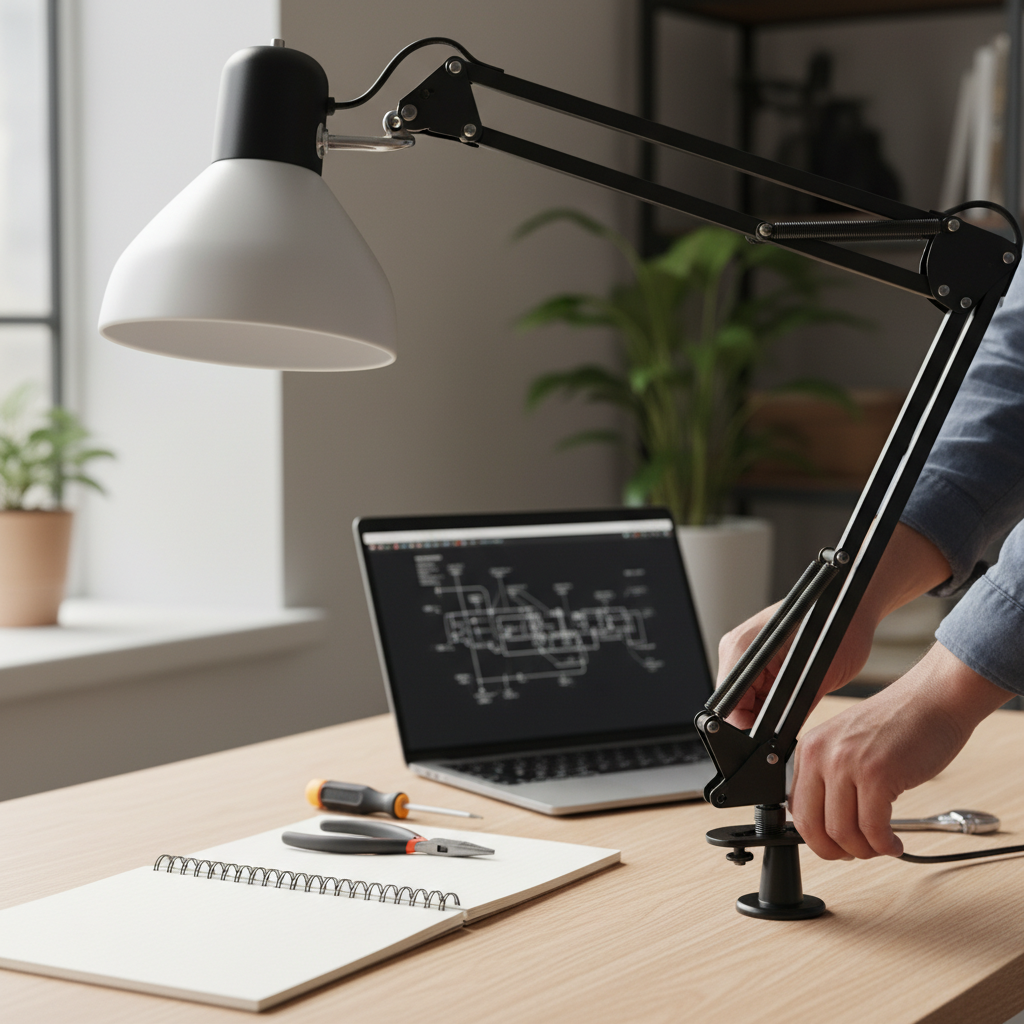
Understanding Why Your Swing Arm Lamp Clamp Comes Loose
Before diving into repairs, it’s helpful to understand the common reasons why a swing arm desk lamp clamp might lose its grip. Identifying the root cause will guide you to the most effective solution.
Common Wear and Tear
|
Our Picks for the Best Desk lamp in 2026
As an Amazon Associate I earn from qualifying purchases.
|
||
| Num | Product | Action |
|---|---|---|
| 1 | BOHON LED Desk Lamp with USB Charging Port 3 Color Modes Dimmable Reading Light Intelligent Induction Auto Dimming Task Lamp Neck Flexible Table Lamp for Bedside Office, AC Adapter Include |

|
| 2 | Airlonv LED Desk Lamp for Office Home, Eye-Caring Desk Light with Stepless Dimming Adjustable Flexible Gooseneck, 10W USB Adapter Desk Lamp with Clamp for Reading, Study, Workbench (Black) |
|
| 3 | Micomlan Led Desk Lamp with Clamp, Architect Desk Lamp for Home Office with Atmosphere Lighting, 24W Ultra Bright Auto Dimming Computer Light Stepless Dimming and Tempering LED Table Light |
|
| 4 | LED Desk Lamp with USB Ports,Touch Desk Lamps for Home Office with 5 Color Modes,3 Brightness Desk Light with Small Night Light,Reading Lamp Table Lamp for Bedroom Bedside Study Black (with adapter) |
|
| 5 | Fenmzee Bedside Table Lamp for Bedroom - 3 Way Dimmable Touch Lamp USB C Charging Ports and AC Outlet, Small Lamp Wood Base Round Flaxen Fabric Shade for Living Room, Desk, LED Bulb Included |
|
| 6 | Voncerus LED Desk Lamp with Clamp, Eye-Caring Clip on Lights for Home Office, 3 Modes 10 Brightness, Long Flexible Goose-Neck, Metal, Swing Arm Architect Task Table Lamps with USB Adapter, Black |
|
| 7 | Motumen Led Desk Lamp for Home Office, Eye-Care Architect Light with Clamp, Smart Double Head Computer Monitor Table Clip Lamp, Adjustable Flexible Goose-Neck, 25 Lighting Models, Task Lamp, Black |
|
| 8 | Sailstar Desk Lamp, LED Desk Lamps for Home Office, Wireless Charger Small Desk Lamp with Pen Holder, 3 Color Modes, Dimmable, CRI 85, 800LM, Study Lamps for College Dorm Room, Adapter Included, Black |
|
| 9 | 15W LED Desk Lamp with USB Charging Ports – Dimmable Table Lamp with 3 Color Temps, 5 Brightness, 4 Timers, Flexible Gooseneck Light with Base, Eye-Caring Reading Light for Home Office, Bedroom, Study |
|
| 10 | CHARYJOD LED Desk Lamp for Office Home, Height Adjustable Architect Desk Light with USB Adapter, Stepless Dimming Desk Lamp Light for Reading, Study, Workbench |
|
Over time, constant adjustment and the natural forces of gravity can cause the mechanical components of your lamp’s clamp to loosen. The knurled knobs, bolts, and nuts that hold the arm in place are subject to vibrations and repeated stress, which can gradually reduce their tightening effectiveness.
Improper Assembly or Design Flaws
Sometimes, the issue isn’t age but rather how the lamp was initially put together. Poor factory assembly, where threaded parts aren’t fully engaged, or inherent design flaws like widely spaced “teeth” in the joint mechanism, can lead to instability from day one.
Stripped Threads
If the nut or bolt threads become worn or damaged, they can no longer maintain a secure grip, causing the clamp to slip regardless of how tightly you try to fasten it. This is a common problem with lamps that have been frequently adjusted or overtightened in the past.
Essential Tools and Materials for Your DIY Lamp Repair
Tackling a loose swing arm lamp clamp typically requires only a few basic tools and materials you might already have around the house. Gathering these before you start will make the repair process smooth and efficient.
Basic Tools:
- Screwdrivers: Philips and flathead, for various fasteners.
- Pliers: Especially needle-nose or locking pliers, for gripping small components or holding a bolt head steady.
- Wrenches: Adjustable wrench or a set of open-end wrenches to tighten nuts.
- Safety Glasses: Always recommended when working with tools and small parts.
Potential Materials:
- Washers: A variety pack including flat washers, lock washers, and rubber washers/O-rings. These are excellent for increasing friction and filling gaps.
- Thread Locker: A liquid adhesive like Loctite (blue formula is generally recommended for removable applications).
- Replacement Fasteners: New nuts (especially wingnuts for better grip) or bolts if the originals are stripped or damaged.
Step-by-Step Guide: How to Fix a Loose Swing Arm Lamp Clamp
Ready to get your lamp back in shape? Follow these methods, starting with the simplest, to troubleshoot and fix your loose clamp.
1. Initial Assessment and Gentle Disassembly
First, identify exactly which joint or clamp mechanism is loose. It could be where the arm connects to the base, or where segments of the arm meet. Gently try to move the lamp arm to pinpoint the source of the wobble.
Once identified, unplug your lamp for safety. Carefully examine the fasteners – usually a knurled knob or a screw and nut combination. You might need to gently unscrew the knob or bolt to get a better look at the internal components and threads.
2. The Washer Solution: Adding Friction and Filling Gaps
Washers are a simple yet highly effective fix for many loose clamps, especially if the knob isn’t tightening sufficiently or if there’s too much play in the joint.
- Choosing the Right Washer:
- A flat washer can provide an initial increase in surface area for the knob to press against.
- A lock washer offers better grip by digging into the surfaces as it’s tightened, resisting loosening from vibrations.
- A rubber washer or O-ring is excellent for absorbing small vibrations and providing superior friction, making it harder for the joint to loosen over time.
- Placement is Key: The washer should be placed on the outside of the mechanism, specifically between the knurled head or nut and the body of the lamp arm. This helps fill any gaps and ensures the tightening force is applied effectively, allowing any existing “teeth” in the joint to still engage properly. Avoid placing it on the inside, as this might hinder the teeth or prevent proper tightening.
- Reassembly and Testing: Once the washer is in place, reassemble the joint and tighten the knob or bolt securely. Test the arm’s movement to see if the stability has improved.
3. Applying Thread Locker: A Chemical Solution to Loosening
If mechanical friction isn’t enough, a thread locker can provide a more robust solution by chemically bonding the threads together, preventing them from backing out.
- Cleaning the Threads: Before applying thread locker, ensure the bolt and nut threads are clean and free of grease or debris. A quick wipe with a cloth should suffice.
- Applying Blue Loctite (or Similar): Apply a small amount of blue thread locker fluid directly onto the threads of the bolt. Blue thread locker is recommended because it creates a strong hold but still allows for disassembly with regular hand tools if needed in the future. Red thread locker is a more permanent solution and typically requires heat to remove, which might be overkill and potentially damaging for a lamp.
- Curing Time and Reassembly: Reassemble the joint immediately after applying the thread locker, as it begins to cure relatively quickly. Tighten the components firmly. Allow the thread locker to cure for the time specified on the product’s packaging (usually several hours to a full day) before putting the lamp back into regular use.
4. Replacing or Repairing Fasteners: When Threads Fail
If your lamp’s joint feels loose even when fully tightened, or if the knob just spins without catching, you likely have stripped threads.
- Identifying Stripped Threads: Visually inspect the threads on both the bolt and the nut for signs of wear, flattening, or damage. If either looks compromised, they are the likely culprit.
- Replacing with a Wingnut or New Bolt/Nut: The simplest solution for stripped threads is replacement. Take the old nut or bolt to a hardware store to find a matching size and thread. Replacing a standard nut with a wingnut can also be an excellent upgrade, as it allows for a much firmer, tool-free grip when tightening, making it easier to maintain the lamp’s position.
- Re-threading (Advanced): For those with more experience, stripped internal threads can sometimes be re-tapped with a tap and die set. This is a more advanced technique and requires careful matching of the thread size.
5. Addressing Internal Mechanism Issues: Beyond the Surface
Sometimes, the problem lies deeper within the lamp’s structure, particularly with designs that use an internal threaded rod or complex pivot points.
- Tightening Internal Threaded Rods: Some swing arm lamps feature a threaded rod that extends through the joint, with nuts on either side, often hidden. If your outer knob screws onto such a rod and feels loose, you might be able to tighten the rod itself. Remove the outer knob and, if possible, turn the threaded section in the tightening direction until it can no longer move. This ensures the internal components are fully engaged. Then, reattach and securely tighten the outer knob.
- Ensuring Proper Component Engagement: Occasionally, factory assembly errors mean internal threaded parts aren’t properly seated or engaged. If you’ve disassembled the joint, double-check that all components, especially any opposing nuts or threaded inserts, are correctly aligned and interacting as intended before reassembling. One user reported success after realizing their lamp had been poorly assembled by the factory, with threaded parts not actually in the opposing nuts.
“A common oversight in lamp repair is focusing solely on the external knob. Often, the real culprit is a misalignment or an internally loose component that isn’t visible at first glance.” – Jason M. Reynolds, DIY Home Repair Specialist
Preventive Maintenance for Your Swing Arm Lamp
Once you’ve fixed your loose lamp, a little ongoing care can prevent future issues.
- Regular Tightening: Periodically check and gently tighten the clamp and other adjustable joints on your lamp, especially if you frequently reposition it.
- Avoid Over-Extension: While swing arm lamps offer great flexibility, constantly extending them to their maximum reach can put extra stress on the joints. Try to keep them within a reasonable range of motion.
- Choose Quality Lamps: When purchasing a new lamp, invest in models known for durable construction and quality components to minimize the likelihood of such issues arising prematurely.
When to Call a Professional or Replace the Lamp
While many loose clamps are DIY-friendly, there are times when professional help or a full replacement is the wiser choice.
- Extensive Damage: If the lamp’s structure is severely cracked, bent, or if critical components are irrevocably broken and cannot be replaced, a new lamp is likely the best option.
- Electrical Issues: If the loose clamp is related to any exposed wiring, flickering lights, or other electrical malfunctions, do not attempt to fix it yourself. Electrical repairs should always be handled by a qualified electrician to ensure safety.
- Cost vs. Replacement: Weigh the cost of replacement parts, specialized tools, and your time against the price of a new lamp. For very inexpensive lamps, a replacement might be more economical.
Conclusion
A loose swing arm desk lamp clamp doesn’t have to spell the end for your favorite task light. By understanding the common causes and applying the right DIY fixes – from adding simple washers and thread locker to replacing fasteners or adjusting internal mechanisms – you can often restore your lamp’s stability and functionality with minimal effort and cost. A well-maintained lamp not only enhances your workspace but also extends the life of your investment. So, why not empower yourself with these practical skills and enjoy a perfectly positioned light source once again? What’s your go-to DIY fix for a wobbly desk lamp?
Frequently Asked Questions
Can I use super glue instead of thread locker?
While super glue might seem like a quick fix, it is generally not recommended for lamp threads. Super glue creates a very brittle bond that can break under stress or vibration, and it’s difficult to remove if future adjustments or repairs are needed. Thread locker is designed specifically for this purpose, offering a more resilient and often removable hold.
How often should I check my swing arm lamp’s clamps?
For frequently used swing arm lamps, it’s a good practice to check the clamps and adjustable joints every few months. A quick visual inspection and gentle tightening can catch minor loosening before it becomes a significant problem.
What if my lamp’s arm keeps falling even after tightening the clamp?
If your lamp’s arm continues to fall after tightening the clamp, inspect the internal mechanism for stripped threads or misaligned components. You might need to add a lock washer, apply thread locker, or investigate if an internal threaded rod needs to be fully engaged. In some cases, the weight of the lamp head itself might be too much for an older or lower-quality mechanism, suggesting a design limitation.