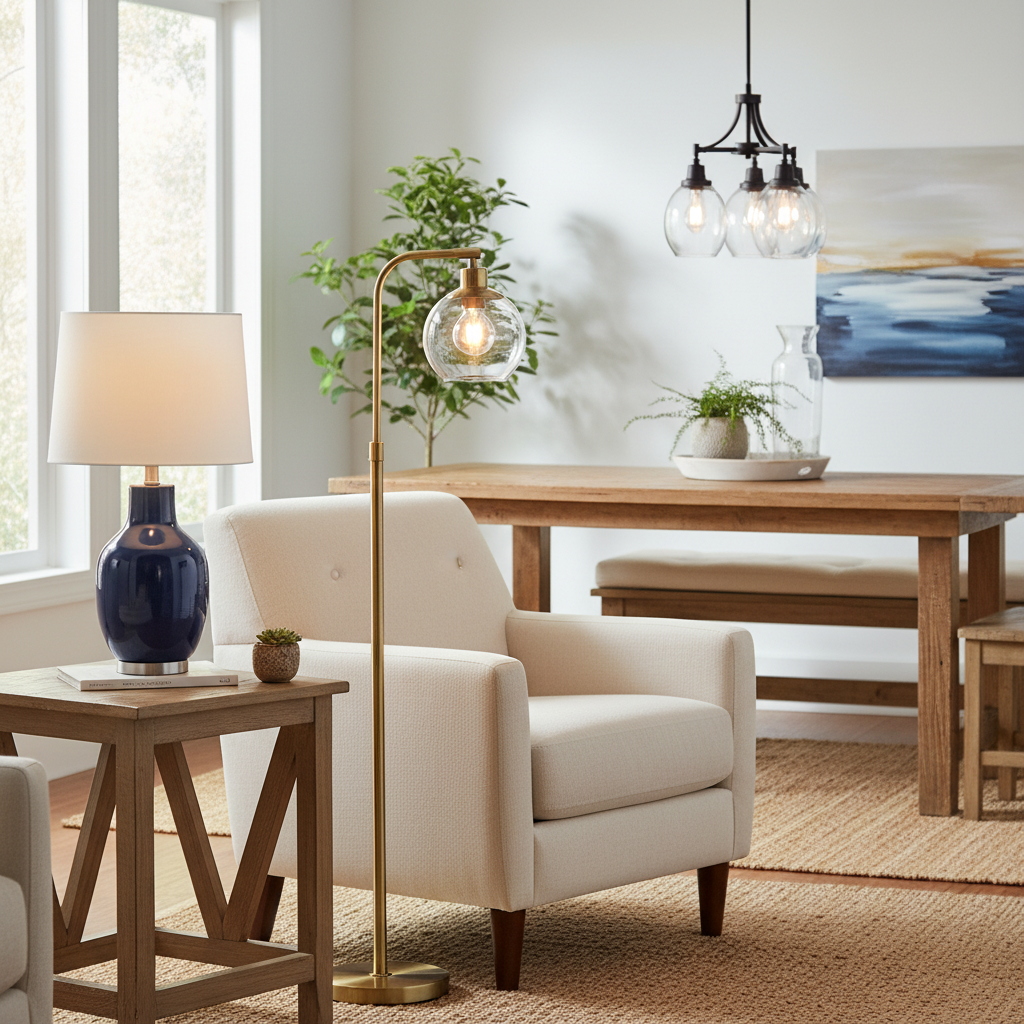
Have you ever found yourself squinting at a book, or feeling a persistent strain after a long reading session? The culprit often isn’t the book itself, but the lighting you’re using. Choosing the right lumens for reading is paramount for eye comfort, concentration, and overall well-being. It’s not just about having “enough” light; it’s about having the right kind of light, tailored to your specific needs. This comprehensive guide will illuminate the path to selecting the perfect brightness for your reading activities, ensuring a comfortable and enjoyable experience every time.
Understanding Lumens for Reading
Before diving into specific recommendations, let’s clarify what lumens actually represent and why they are the crucial measurement for reading lights.
Lumens vs. Watts: Dispelling the Brightness Myth
|
Our Picks for the Best Desk lamp in 2026
As an Amazon Associate I earn from qualifying purchases.
|
||
| Num | Product | Action |
|---|---|---|
| 1 | Fenmzee Bedside Table Lamp for Bedroom - 3 Way Dimmable Touch Lamp USB C Charging Ports and AC Outlet, Small Lamp Wood Base Round Flaxen Fabric Shade for Living Room, Desk, LED Bulb Included |

|
| 2 | 15W LED Desk Lamp with USB Charging Ports – Dimmable Table Lamp with 3 Color Temps, 5 Brightness, 4 Timers, Flexible Gooseneck Light with Base, Eye-Caring Reading Light for Home Office, Bedroom, Study |
|
| 3 | Micomlan Led Desk Lamp with Clamp, Architect Desk Lamp for Home Office with Atmosphere Lighting, 24W Ultra Bright Auto Dimming Computer Light Stepless Dimming and Tempering LED Table Light |
|
| 4 | Motumen Led Desk Lamp for Home Office, Eye-Care Architect Light with Clamp, Smart Double Head Computer Monitor Table Clip Lamp, Adjustable Flexible Goose-Neck, 25 Lighting Models, Task Lamp, Black |
|
| 5 | BOHON LED Desk Lamp with USB Charging Port 3 Color Modes Dimmable Reading Light Intelligent Induction Auto Dimming Task Lamp Neck Flexible Table Lamp for Bedside Office, AC Adapter Include |
|
| 6 | Airlonv LED Desk Lamp for Office Home, Eye-Caring Desk Light with Stepless Dimming Adjustable Flexible Gooseneck, 10W USB Adapter Desk Lamp with Clamp for Reading, Study, Workbench (Black) |
|
| 7 | LED Desk Lamp with USB Ports,Touch Desk Lamps for Home Office with 5 Color Modes,3 Brightness Desk Light with Small Night Light,Reading Lamp Table Lamp for Bedroom Bedside Study Black (with adapter) |
|
| 8 | Voncerus LED Desk Lamp with Clamp, Eye-Caring Clip on Lights for Home Office, 3 Modes 10 Brightness, Long Flexible Goose-Neck, Metal, Swing Arm Architect Task Table Lamps with USB Adapter, Black |
|
| 9 | CHARYJOD LED Desk Lamp for Office Home, Height Adjustable Architect Desk Light with USB Adapter, Stepless Dimming Desk Lamp Light for Reading, Study, Workbench |
|
| 10 | Sailstar Desk Lamp, LED Desk Lamps for Home Office, Wireless Charger Small Desk Lamp with Pen Holder, 3 Color Modes, Dimmable, CRI 85, 800LM, Study Lamps for College Dorm Room, Adapter Included, Black |
|
For years, people instinctively associated a bulb’s brightness with its wattage. A 60-watt bulb was “bright,” a 40-watt bulb was “dim.” However, with the advent of energy-efficient LED technology, this understanding is outdated. Watts (W) measure a light bulb’s energy consumption – how much electricity it uses. In contrast, lumens (lm) measure the brightness of a light source, or the total amount of visible light it emits. A higher lumen count directly translates to a brighter light. For instance, a modern 9-watt LED bulb can produce the same 800 lumens as a traditional 60-watt incandescent bulb, highlighting why lumens are the only true measure of brightness you should consider for reading.
General Lumen Recommendations for Reading
There isn’t a single “perfect” lumen number for everyone, as ideal brightness varies based on several factors, including your age, the task’s complexity, and personal preferences. However, a baseline can certainly help.
For general reading where the light is focused directly on your material, aim for at least 400-500 lumens. This range is often considered the “sweet spot” to prevent eye strain and ensure words are clearly visible without being overly harsh. Many desk lamps and dedicated reading lights fall within this range, providing ample illumination for prolonged periods.
Lumens for Different Reading Scenarios
Your reading environment and purpose significantly influence the optimal lumen output.
Casual Reading & Relaxation
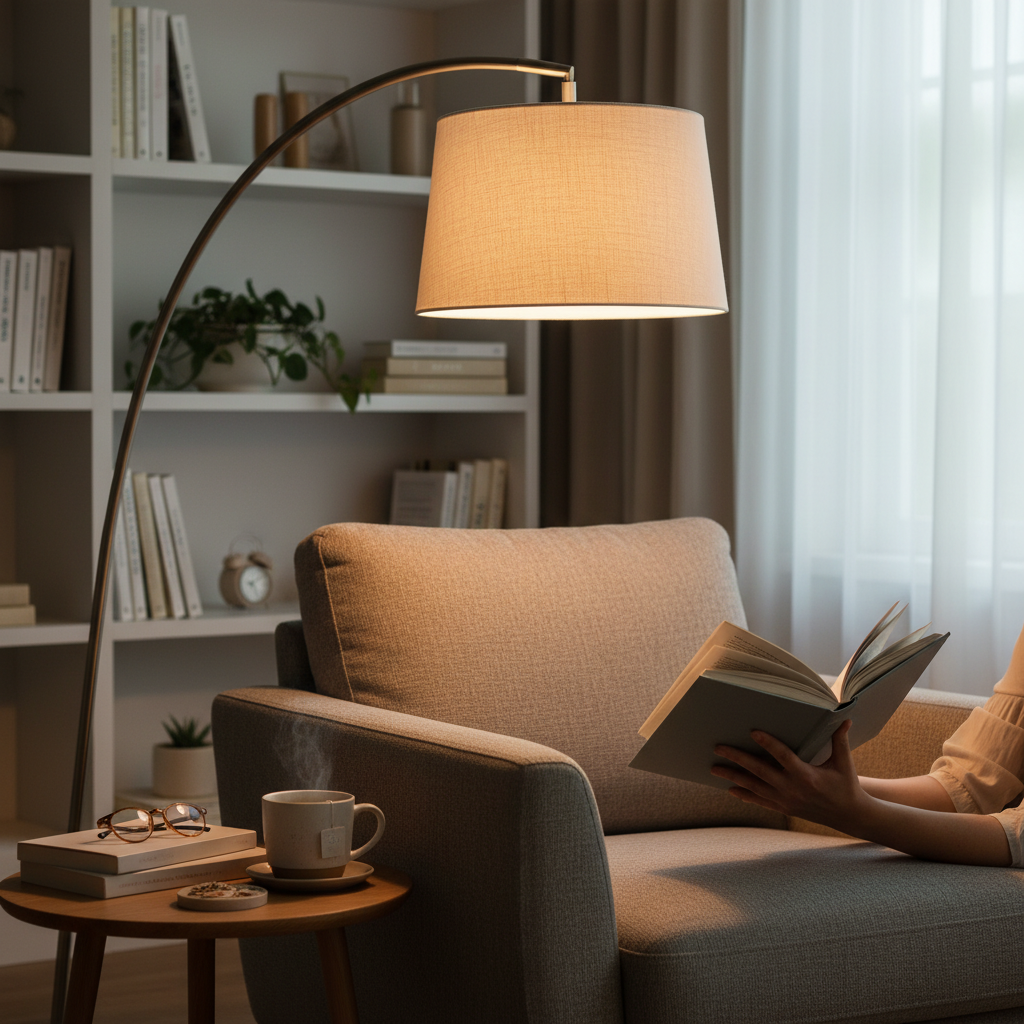
When you’re unwinding with a novel in bed or a cozy armchair, overly bright light can be counterproductive, disrupting your relaxation and even your sleep cycle. For bedside reading or light reading sessions where you’re not trying to focus intensely, a lower lumen output is often preferred.
- Bedside table lamps: A range of 450-900 lumens can offer a subtle glow that supports a night owl’s habits without causing discomfort.
- Clip-on book lights: These often require even fewer lumens, typically between 150-300 lumens, to illuminate just the page without disturbing others.
- Kids’ bedtime reading: Around 250 lumens might be adequate for children reading a few pages before sleep, preventing the overwhelming brightness that could keep them awake.
Focused Study & Work
When your reading involves studying, working, or intricate tasks like drafting, knitting, or puzzling, you’ll need significantly more light to maintain focus and prevent fatigue. These activities demand clear visibility and contrast.
- For detailed tasks, aim for 800-1100 lumens. This higher range ensures intricate details are easily discernible, reducing the need to squint.
- If you’re using a floor lamp to illuminate a broader reading area, you might look for 1000-2000 lumens to ensure adequate light spills onto your book even from a distance.
Addressing Specific Needs
Individual needs can dramatically alter lumen requirements.
- Age and Vision: Our eyes naturally require more light as we age. Studies suggest a 1% increase in lighting needs per year after the age of 10. A 10-year-old might find 450 lumens sufficient, but a 60-year-old could need up to 1600 lumens for comfortable reading.
- Light Sensitivity: Individuals with conditions like ADHD or general light sensitivity might find standard recommendations too bright. For them, dimmable bulbs are crucial, allowing them to adjust brightness to a comfortable level, sometimes as low as 150-200 lumens. Warm or amber light options can also be less harsh.
“The perfect reading light isn’t just about lumens; it’s about the entire ecosystem of light interacting with your eyes and environment. It should enhance clarity without causing stress.”
Key Factors Influencing Your Lumen Choice
While lumen counts provide a great starting point, other critical elements combine to create the optimal reading environment. Ignoring these can lead to eye strain even with an “adequate” lumen count.
Age and Vision Acuity
As mentioned, visual acuity diminishes with age, necessitating more intense light to perceive text clearly. If you find yourself struggling to read small print, increasing your lumen output within a comfortable range could make a significant difference. Similarly, if you have specific vision challenges, consulting an eye care professional for personalized lighting advice is always a good idea.
Ambient Lighting Conditions
The existing light in your room plays a huge role. A reading light shouldn’t be the only light source, especially in a dark room. The stark contrast between a brightly lit page and a dark background forces your eye muscles to constantly adjust, leading to rapid eye fatigue, dryness, and headaches. Always maintain some soft, ambient background light in the room to create a more balanced environment, reducing the harsh contrast. If your room is generally dark, you might need a higher lumen reading lamp or supplementary ambient lighting. Conversely, in a bright room with ample natural light, you might need fewer lumens from your dedicated reading lamp.
Type of Reading Material
The finish of your reading material can also impact your ideal lumen setting. Glossy pages, common in magazines or textbooks, can reflect light and create glare, making text difficult to read even with sufficient lumens. In such cases, adjusting the angle of your light or opting for slightly lower lumens with a warmer color temperature can help mitigate glare. Matte paper, found in most novels, is less prone to glare and can generally handle a broader range of lumen settings.
Light Position and Distribution
How your light is positioned relative to your reading material is almost as important as its brightness. A focused light source directed specifically at your book minimizes shadows and ensures even illumination.
- Desk lamps are excellent for focused task lighting, ideally positioned about 18 inches from your face to prevent shadows.
- Floor lamps can provide broader illumination, but ensure they are adjustable enough to direct light where needed.
- Avoid ceiling bounce (pointing a bright light at the ceiling to diffuse it) for dedicated reading if you need high clarity, as it can reduce the effective lumens reaching your page.
It’s often better to have several light sources, each producing fewer lumens, than a single, very bright source. This creates more even room lighting and further reduces glare and harsh shadows, contributing to less eye strain.
Color Temperature (Kelvin)
Beyond brightness, the color temperature of your light, measured in Kelvin (K), significantly affects your comfort, mood, and concentration.
- Warm Light (2700K – 3500K): This range emits a soft, yellowish light, similar to incandescent bulbs or candlelight. It promotes relaxation and is ideal for casual reading, winding down in the evening, and creating a cozy atmosphere. Too warm (below 2700K) might cause contrast issues for some.
- Neutral White Light (3500K – 4500K): This is a balanced white light, excellent for focused work, studying, or general reading where you need to stay alert without harshness.
- Cool White / Daylight (4500K – 6500K): Mimicking natural daylight, this crisp, bluish-white light enhances alertness and concentration, making it suitable for detailed tasks, drafting, or studying where maximum visual clarity is crucial. However, prolonged exposure to cooler, bluer light in the evening can disrupt your circadian rhythm and interfere with sleep. Avoid anything exceeding 6500K, as it can be overly harsh and lead to eye strain.
The ideal choice depends on the time of day and the purpose of your reading. Many modern lamps offer adjustable color temperature, allowing you to switch between warm and cool light as needed.
Your Guide to Selecting the Perfect Reading Light
Now that you understand the intricacies of lumens and other lighting factors, here’s a practical guide to choosing a reading light that’s right for you.
1. Identify Your Primary Needs and Environment
- Purpose: Are you reading for relaxation, intense study, detailed work, or a combination?
- Location: Where do you typically read? A dedicated desk, a bedside table, a cozy armchair, or do you move around frequently?
- Existing Light: How much natural or ambient light is already present in your reading area? This will help determine how many additional lumens you need.
- Who is reading? Consider the age and visual needs of the primary user.
2. Prioritize Essential Light Features
Look for lamps that offer flexibility and control, allowing you to adapt the lighting to different needs and times of day.
- Adjustable Brightness (Dimmers): This is perhaps the most crucial feature. A dimmable light allows you to fine-tune the lumen output to your exact comfort level, compensating for ambient light changes or varying eye needs. Many smart bulbs offer this through an app.
- Adjustable Color Temperature: Being able to switch between warm, neutral, and cool white light provides immense versatility. You can opt for warm light for bedtime reading and switch to neutral or cool white for focused daytime tasks.
- Ergonomic Design: A lamp with an adjustable arm, head, and height allows you to direct light precisely where it’s needed, minimizing shadows and glare. “Point-ability” is key for a truly effective reading light.
- Smart Features: Smart bulbs and lamps, controllable via apps or voice assistants, offer unparalleled customization for brightness, color temperature, and even scheduling, making them ideal for adapting to various reading scenarios throughout the day.
3. Consider Your Budget
Reading lights come in a wide range of price points, from basic clip-ons to sophisticated smart lamps.
- Budget-friendly options: You can find decent clip-on or basic desk lamps for general reading that provide adequate lumens. Look for LEDs for energy efficiency.
- Mid-range options: These often include dimmable features, some color temperature control, and better build quality.
- High-end options: Smart lamps, premium materials, extensive adjustability, and advanced features like automatic brightness adjustment.
Invest in the best you can afford, prioritizing adjustability for long-term eye health and comfort.
4. Where to Purchase
You can find suitable reading lights in various places:
- Electronics stores: Often carry a wide range of LED lamps and smart lighting solutions.
- Home goods and furniture stores: Good for finding lamps that blend with your decor while offering functional lighting.
- Online retailers: Provide vast selections, often with detailed specifications and customer reviews, though it’s harder to test the light in person.
Expert Insight:
“Many people overlook the quality of light. Beyond just brightness, consistency, flicker-free operation, and a high Color Rendering Index (CRI) are vital for truly comfortable and healthy reading. Your eyes deserve the best possible light environment.”
Conclusion
Choosing the right lumens for reading is a personal journey that profoundly impacts your eye health and enjoyment of books. By understanding the difference between lumens and watts, considering your age, the task at hand, ambient light, and the crucial role of color temperature, you can create a reading sanctuary that supports your vision. Prioritizing adjustable features in your reading lamp will allow you to fine-tune your environment, ensuring optimal comfort whether you’re relaxing with a novel or delving into complex study material. So, take the time to evaluate your needs, experiment with different settings, and invest in a lighting solution that will make every reading moment a pleasure.
What adjustments will you make to your reading light setup to enhance your next reading adventure?
Frequently Asked Questions
How many lumens are good for a desk lamp for studying?
For focused study and detailed tasks at a desk, a reading light providing 800-1100 lumens is generally recommended. This brightness level helps maintain concentration and reduces eye strain during prolonged periods of intense visual work. However, always consider adjustability to fine-tune the output based on your personal preference and ambient room light.
Can too much light be bad for your eyes when reading?
Yes, just as too little light can cause strain, excessive brightness can also be detrimental. Overly bright light can lead to glare, discomfort, and fatigue. The goal is to find a balanced, comfortable illumination that allows you to see clearly without causing any harshness or squinting. Dimmable lights are excellent for finding this sweet spot.
Is 300 lumens enough for a reading lamp?
For very casual reading, especially in a dimly lit room where you don’t need intense focus (like a clip-on book light for bedtime), 300 lumens might be adequate. However, for general reading, and certainly for detailed tasks or prolonged periods, 400-500 lumens or more are typically recommended to prevent eye strain and ensure optimal clarity.
What is the best color temperature for reading?
The best color temperature depends on the purpose of your reading. For relaxed reading in the evening, a warm white (2700K-3500K) is ideal as it promotes relaxation. For focused study or work during the day, a neutral white (3500K-4500K) or even a cool white/daylight (4500K-6500K) can enhance alertness and concentration. Dimmable color temperature features offer the most versatility.
How do lumens differ from watts for reading lights?
Lumens measure the actual brightness of a light source, or the total visible light emitted. Watts measure the energy consumption of a bulb. With modern LED technology, lower wattage bulbs can produce significantly higher lumens than older incandescent bulbs. Therefore, always prioritize the lumen rating when choosing a reading light for its brightness.
Should I use a reading light if my room has overhead lighting?
Yes, even if your room has overhead lighting, a dedicated reading light is highly beneficial. Overhead lights often create shadows or aren’t bright enough for focused tasks. A reading lamp provides targeted illumination on your reading material, reducing shadows and ensuring optimal brightness directly where you need it, which significantly reduces eye strain.