A desk lamp is far more than just a source of light; it’s a vital tool that impacts your productivity, comfort, and even the aesthetic of your workspace. With countless options available, two prominent design philosophies often emerge when considering the light source itself: the sleek linear bulb head and the classic round bulb head. Deciding between them can significantly influence your daily experience, whether you’re poring over textbooks, tackling intricate work projects, or simply unwinding with a good book. This comprehensive guide will illuminate the distinct characteristics, advantages, and ideal applications of each, helping you make an informed choice for your perfect desk companion.
Understanding Desk Lamp Head Designs
The shape of a desk lamp’s head dictates how light is emitted and distributed, profoundly affecting its suitability for various tasks and environments. Understanding these fundamental designs is the first step toward optimal lighting.
The Essence of Linear Bulb Heads
|
Our Picks for the Best Desk lamp in 2026
As an Amazon Associate I earn from qualifying purchases.
|
||
| Num | Product | Action |
|---|---|---|
| 1 | 15W LED Desk Lamp with USB Charging Ports – Dimmable Table Lamp with 3 Color Temps, 5 Brightness, 4 Timers, Flexible Gooseneck Light with Base, Eye-Caring Reading Light for Home Office, Bedroom, Study |

|
| 2 | Sailstar Desk Lamp, LED Desk Lamps for Home Office, Wireless Charger Small Desk Lamp with Pen Holder, 3 Color Modes, Dimmable, CRI 85, 800LM, Study Lamps for College Dorm Room, Adapter Included, Black |
|
| 3 | Motumen Led Desk Lamp for Home Office, Eye-Care Architect Light with Clamp, Smart Double Head Computer Monitor Table Clip Lamp, Adjustable Flexible Goose-Neck, 25 Lighting Models, Task Lamp, Black |
|
| 4 | Airlonv LED Desk Lamp for Office Home, Eye-Caring Desk Light with Stepless Dimming Adjustable Flexible Gooseneck, 10W USB Adapter Desk Lamp with Clamp for Reading, Study, Workbench (Black) |
|
| 5 | BOHON LED Desk Lamp with USB Charging Port 3 Color Modes Dimmable Reading Light Intelligent Induction Auto Dimming Task Lamp Neck Flexible Table Lamp for Bedside Office, AC Adapter Include |
|
| 6 | Micomlan Led Desk Lamp with Clamp, Architect Desk Lamp for Home Office with Atmosphere Lighting, 24W Ultra Bright Auto Dimming Computer Light Stepless Dimming and Tempering LED Table Light |
|
| 7 | Voncerus LED Desk Lamp with Clamp, Eye-Caring Clip on Lights for Home Office, 3 Modes 10 Brightness, Long Flexible Goose-Neck, Metal, Swing Arm Architect Task Table Lamps with USB Adapter, Black |
|
| 8 | LED Desk Lamp with USB Ports,Touch Desk Lamps for Home Office with 5 Color Modes,3 Brightness Desk Light with Small Night Light,Reading Lamp Table Lamp for Bedroom Bedside Study Black (with adapter) |
|
| 9 | Fenmzee Bedside Table Lamp for Bedroom - 3 Way Dimmable Touch Lamp USB C Charging Ports and AC Outlet, Small Lamp Wood Base Round Flaxen Fabric Shade for Living Room, Desk, LED Bulb Included |
|
| 10 | CHARYJOD LED Desk Lamp for Office Home, Height Adjustable Architect Desk Light with USB Adapter, Stepless Dimming Desk Lamp Light for Reading, Study, Workbench |
|
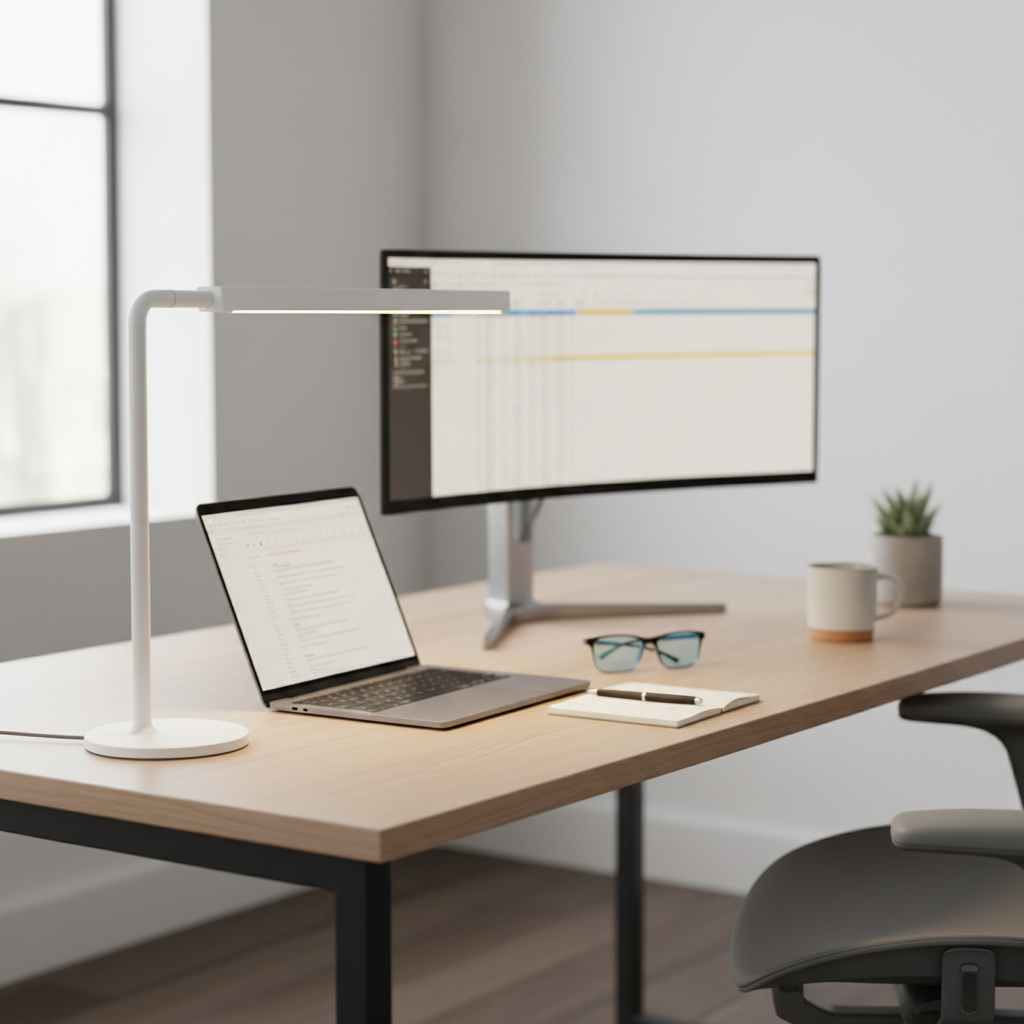
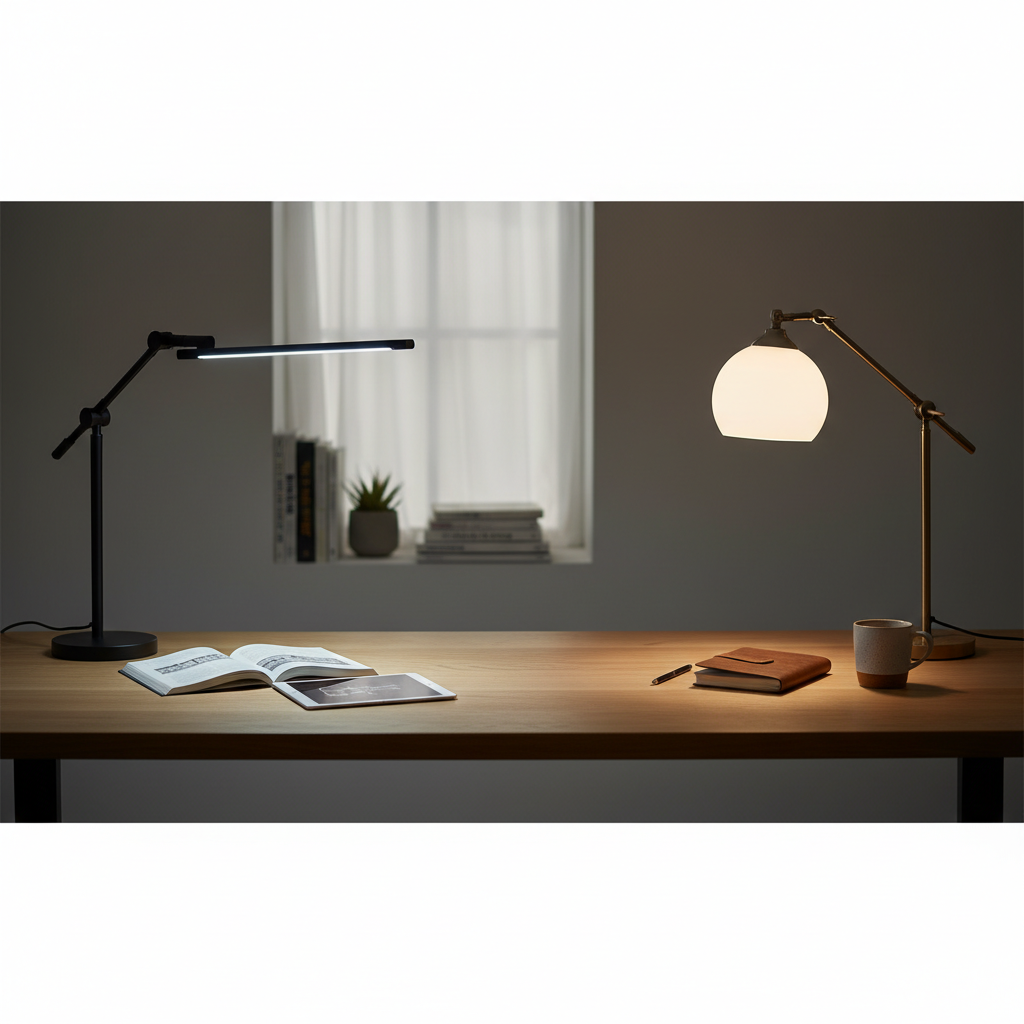
Linear bulb heads typically feature a long, slender light source, often an LED strip or bar, housed within a minimalist fixture. This design is engineered to deliver a broad and even spread of light across a significant area. Modern linear lamps frequently employ LED technology, offering energy efficiency and extended lifespans. Their aesthetic leans towards contemporary and functional, making them a staple in modern office setups and design-forward spaces. Linear lamps are known for their ability to provide consistent illumination, minimizing shadows and ensuring that an entire workspace is bathed in uniform light. They are often lauded for their high lumen output, providing ample brightness for demanding visual tasks.
The Charm of Round Bulb Heads
Round bulb heads encompass a broader category, including traditional A-shape bulbs, decorative globe bulbs, or integrated circular LED panels. These designs typically distribute light omnidirectionally, radiating outward from a central point. Round lamps offer a classic and versatile aesthetic that can seamlessly integrate into various decor styles, from vintage to modern. They often create a softer, more diffused ambiance, which can be highly appealing for general illumination or creating a cozy atmosphere. Globe bulbs, in particular, are sometimes chosen for their decorative appeal, where the bulb itself becomes a design feature.
Types of Desk Lamps and Their Head Compatibility
The ideal desk lamp head depends heavily on its intended use. Different activities demand different lighting characteristics for optimal performance and eye comfort.
Desk Lamps for Students and Academics
Students and academics often spend long hours at their desks, requiring consistent and glare-free illumination to prevent eye strain. For wide study areas, a linear bulb head is often superior, casting an even wash of light across textbooks, notes, and computer screens without creating harsh shadows. This uniform distribution is crucial for tasks like reading and writing. A round bulb head, especially one with a well-designed shade, can also be effective for focused reading if it provides sufficient directed light without excessive glare. However, a single round bulb might not cover a large multi-item desk as comprehensively as a linear one.
Office Work Desk Lamps
In a professional office setting, productivity and ergonomics are paramount. Linear desk lamps are frequently preferred here due to their ability to illuminate a broad workspace uniformly, reducing visual fatigue during prolonged computer work, document review, and writing. Their sleek profile also integrates well into modern office aesthetics, often freeing up desk space. While a round bulb head can provide good general ambient light, it may not offer the targeted, wide illumination necessary for complex office tasks, potentially leading to uneven lighting that causes shadows or glare on screens.
Reading Desk Lamps
For dedicated reading, the primary concern is sufficient brightness without glare, allowing comfortable focus on text. Both linear and round head designs can be suitable, depending on the specific lamp’s features. A linear reading lamp can cast an even, wide beam across pages, ideal for reading large format books or multiple documents. Conversely, a round bulb head with a focused beam, such as an adjustable spot, can provide excellent concentrated light for a single book. The key is controlling glare and ensuring the light is neither too dim nor too bright for the eyes. Choosing an LED bulb with adjustable color temperature can further enhance reading comfort.
Decorative Desk Lamps
When the lamp serves as much for aesthetics as for illumination, the choice becomes more about style. Round bulb heads, especially those featuring exposed globe or unique shaped bulbs, are often chosen for their inherent decorative appeal, adding character and warmth to a room. They can create a softer, inviting glow, perfect for accentuating decor. Linear desk lamps can also be decorative, but typically in a modern, minimalist context, complementing sleek furniture and contemporary design themes with their clean lines and subtle light effects.
Linear Bulb Head vs. Round Bulb Head: A Detailed Comparison
Choosing between linear and round head desk lamps involves weighing various factors beyond mere appearance. Here’s a detailed comparison to guide your decision:
| Feature | Linear Bulb Head | Round Bulb Head |
|---|---|---|
| Light Distribution | Wide, uniform, and even spread across a large area; minimizes shadows. | Omnidirectional, softer, more diffused; can be focused with shades/reflectors. |
| Aesthetics | Modern, minimalist, sleek; integrates seamlessly into contemporary designs. | Classic, versatile, often decorative; blends with traditional to modern styles. |
| Task Suitability | Excellent for expansive task lighting (large desks, multiple documents, computing). | Good for focused reading, ambient lighting, or general illumination in smaller areas. |
| Eye Comfort | Uniform light reduces strain; often designed to mitigate glare across wide surfaces. | Can provide soft, gentle illumination; potential for glare if unfocused or too bright. |
| Adjustability | Often feature adjustable arms; light spread remains linear. | Highly adjustable with articulated arms; light focus can vary based on shade. |
| Cost | Potentially higher initial cost for integrated LED units. | Varies widely; traditional bulb types can be very affordable. |
| Maintenance | May require professional repair or full unit replacement if LEDs/driver fail. | Easy bulb replacement for standard sockets; integrated LEDs have similar lifespan issues. |
Light Distribution and Coverage
The most significant difference lies in light distribution. Linear bulb heads are designed to project a wide, consistent beam, effectively covering a larger surface area with uniform illumination. This makes them ideal for large desks, drawing boards, or workstations where you need light across multiple documents or a wide monitor setup. They are particularly adept at reducing shadows that can occur when light comes from a single, concentrated point.
In contrast, round bulb heads typically offer a more omnidirectional or diffused light. While this can be excellent for ambient lighting or softer general illumination, it might lead to less uniform coverage on a broad desk. If the light source isn’t properly shaded or positioned, it can create hot spots or shadows, potentially making certain tasks more challenging.
“For extensive workspaces, the consistent light field provided by a linear LED array is unparalleled, ensuring every corner of your task area is equally illuminated, which is paramount for detailed work and reducing eye fatigue.” – Dr. Evelyn Reed, Lighting Ergonomics Specialist
Aesthetic Integration
Linear lamps embody a modern aesthetic, characterized by clean lines and often slim profiles. They tend to blend into the background, providing functional light without dominating the visual space. Their sleekness makes them a natural fit for contemporary, minimalist, and high-tech environments.
Round head lamps, particularly those with traditional or globe-style bulbs, offer a timeless appeal. They can be a focal point in themselves, adding a touch of classic charm, industrial edge, or decorative flair depending on the fixture and bulb choice. They are inherently more versatile in terms of design integration across diverse interior styles.
Functionality and Purpose
Linear desk lamps excel as dedicated task lighting. Their broad, even light is perfect for activities requiring focused attention over a wide area, such as writing, drawing, coding, or detailed crafts. They are built for performance and efficiency in demanding work environments.
Round desk lamps are highly versatile. They can serve as excellent reading lights when equipped with appropriate shades to direct light, provide soft ambient illumination, or function as stylish decorative accents. While they can perform task lighting, their strength often lies in creating a comfortable, inviting atmosphere.
Eye Comfort and Glare Reduction
Uniform light is key to eye comfort. Linear bulb heads are often designed to spread light smoothly across a surface, reducing the stark contrast between illuminated and unilluminated areas, which can alleviate eye strain. Many modern linear desk lamps also incorporate features to minimize glare directly from the light source.
With round bulb heads, especially those with exposed bulbs, glare can be more of a concern if the light is too intense or poorly positioned. However, when paired with thoughtful shades or diffusers, they can produce a very soft, pleasant light. It’s crucial for any lamp, regardless of head type, to avoid emitting excessive high-intensity blue light, which can contribute to eye fatigue.
Adjustability and Flexibility
Both types of lamps can come with adjustable arms and heads, allowing users to direct the light. However, the nature of the adjustability differs. A linear lamp’s adjustment will typically reposition the entire bar of light, maintaining its wide spread. A round lamp’s adjustment might involve pivoting the head to focus a more concentrated beam in a particular direction. For intricate precision work, the precise aiming capabilities of some round-head lamps can be advantageous, while for sweeping coverage, the linear design excels.
Cost and Maintenance
Generally, linear LED desk lamps might have a higher upfront cost due to their integrated technology and specialized design. While LEDs boast a long lifespan, if an integrated driver or LED strip fails, repair can be complex and sometimes necessitate replacing the entire unit.
Round head lamps that use standard screw-in bulbs often have a lower initial cost. The advantage here is simple bulb replacement, which is typically inexpensive and easy for the user. However, if using traditional incandescent or CFL bulbs, energy costs and replacement frequency will be higher compared to LEDs. Integrated round LED panels share similar maintenance characteristics with linear LED setups.
Choosing the Right Desk Lamp Head for Your Needs
Selecting the ideal desk lamp head ultimately comes down to a personalized assessment of your requirements.
Assess Your Primary Use
- Intensive Task Work (writing, reading blueprints, intricate crafts): A linear bulb head offering wide, even, and shadow-free illumination is likely your best bet.
- General Illumination & Reading (single book, ambient light): A round bulb head can provide a soft, comfortable glow, especially if it has a good diffuser or shade.
- Computer Work (large monitors, multiple screens): Linear lamps often provide superior anti-glare, wide-area coverage crucial for digital tasks.
- Decorative Accent: A round bulb head with a unique bulb or a stylish fixture might be chosen to enhance room aesthetics.
Consider Your Workspace Size and Layout
For expansive desks or L-shaped workstations, a linear lamp will offer more comprehensive coverage. In contrast, for compact desks or specific reading nooks, a round lamp might be perfectly adequate and take up less visual space. Consider how the lamp’s footprint and light spread interact with your existing setup.
Evaluate Aesthetic Preferences
Do you prefer a sleek, contemporary, and unobtrusive look? A linear lamp will integrate seamlessly. Are you drawn to classic designs, a softer ambiance, or a lamp that doubles as a decorative statement? A round lamp might better suit your style.
Budget and Long-term Value
While linear LED lamps might have a higher initial price, their energy efficiency and long lifespan often translate to lower operating costs over time. Consider the total cost of ownership, including potential bulb replacements and energy consumption, especially if you use the lamp frequently.
Where to Buy
You can find both linear and round head desk lamps at various retailers.
- Electronics Stores: Often carry a wide range of modern LED linear lamps and feature-rich round LED models.
- Furniture and Home Decor Stores: Excellent for finding aesthetically driven round-head lamps and designer linear options.
- Online Retailers: Offer the broadest selection and competitive pricing, but always check reviews for light quality and durability.
Conclusion
The choice between a linear and a round head desk lamp is a pivotal decision for optimizing your workspace. Linear lamps excel in providing wide, uniform, and shadow-free illumination, making them indispensable for intensive task work and modern aesthetics. Round head lamps, on the other hand, offer versatility, often softer ambient light, and a broader range of decorative possibilities. Ultimately, the “best” choice is not universal but deeply personal, reflecting your primary activities, the size and style of your workspace, and your specific eye comfort needs. By carefully considering these factors, you can select a desk lamp that not only brightens your desk but also enhances your productivity and well-being. Which design will ultimately illuminate your path to success?
Frequently Asked Questions
What type of desk lamp is best for reducing eye strain during long hours of work?
For reducing eye strain during extended work sessions, a linear head desk lamp is often recommended. Its ability to provide broad, even, and shadow-free illumination across your entire workspace helps minimize visual fatigue and ensures consistent light distribution, which is crucial for eye comfort.
Can a round head desk lamp provide enough light for detailed tasks?
Yes, a round head desk lamp can provide sufficient light for detailed tasks, especially if it features a high-lumen LED bulb and an adjustable arm that allows you to direct the light precisely. However, for covering a wider area with uniform light, a linear head lamp typically offers a more comprehensive solution.
Are linear desk lamps more energy-efficient than round ones?
The energy efficiency primarily depends on the bulb technology, not just the head shape. However, many modern linear desk lamps come with integrated LED strips, which are highly energy-efficient and boast a long lifespan, often outperforming traditional bulbs found in some round-head lamps.
How do I choose a desk lamp that matches my room’s decor?
To match your room’s decor, consider the overall style and materials. For modern, minimalist, or industrial spaces, a linear desk lamp with its sleek profile is a natural fit. For more traditional, eclectic, or decorative settings, a round head lamp, especially one with a unique shade or exposed globe bulb, offers greater aesthetic versatility.