Lighting is far more than just illumination; it’s a powerful tool that shapes the ambiance, functionality, and even our well-being within any space. The subtle nuances of light color can dramatically alter how a room feels, influencing our mood, productivity, and sleep patterns. When choosing LED lighting, one of the most critical decisions revolves around color temperature, measured in Kelvin (K). This guide will delve into the distinct characteristics of 3000K, 4000K, and 6000K lighting, comparing their benefits, drawbacks, and ideal applications to help you select the perfect illumination for every corner of your home or workspace.
Understanding Lighting Color Temperature (Kelvin)
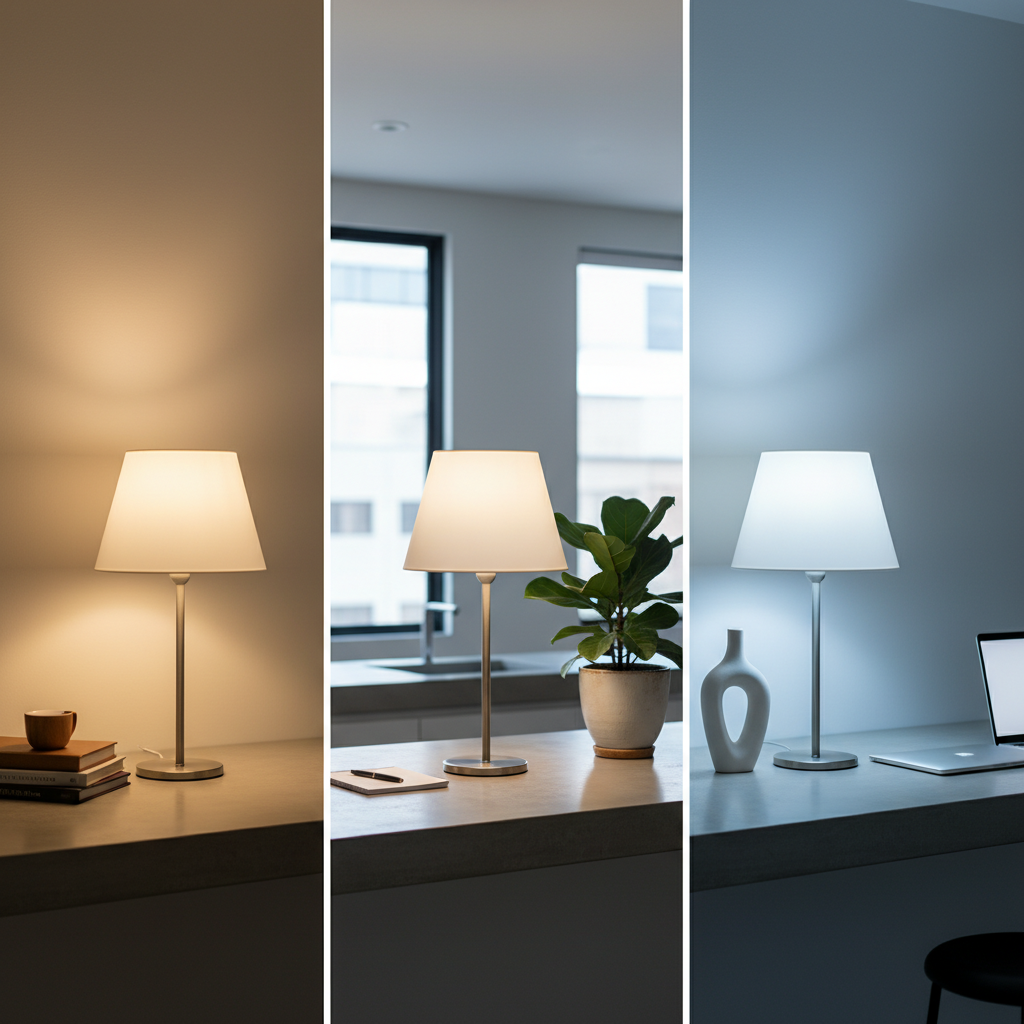
Lighting color temperature refers to the perceived warmth or coolness of the light emitted by a source, quantified using the Kelvin (K) scale. Imagine heating a piece of metal: as it gets hotter, its glow changes from deep red to orange, then yellow, white, and finally blue-white. The Kelvin scale mirrors this, with lower values indicating warmer, more yellowish light, and higher values signifying cooler, more bluish light.
Generally, the spectrum can be categorized as:
- Warm Light (below 3500K): Creates a cozy, intimate atmosphere.
- Neutral Light (3500K–4500K): Offers balanced brightness, suitable for task lighting.
- Cool Light (above 4500K): Delivers crisp, energizing light, often used in industrial or task-heavy settings.
Understanding these distinctions is crucial for designing a lighting scheme that not only looks good but also supports your daily activities and overall health.
3000K Lighting: The Warm White Glow
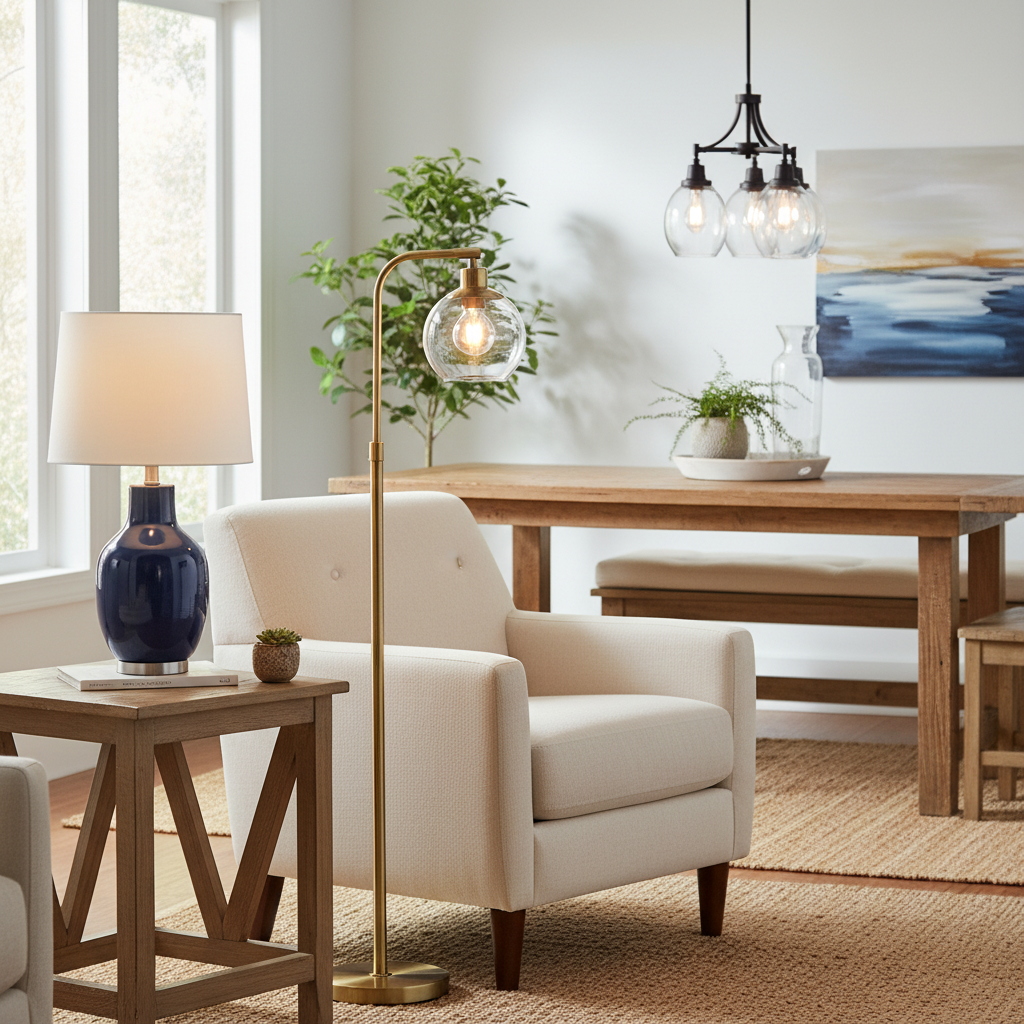
3000K lighting, often labeled “warm white,” emits a soft, yellowish-white hue, closely resembling the traditional glow of incandescent bulbs. This color temperature sits at the warmer end of the spectrum, evoking a sense of familiarity and comfort.
Characteristics
|
Our Picks for the Best Desk lamp in 2026
As an Amazon Associate I earn from qualifying purchases.
|
||
| Num | Product | Action |
|---|---|---|
| 1 | Sailstar Desk Lamp, LED Desk Lamps for Home Office, Wireless Charger Small Desk Lamp with Pen Holder, 3 Color Modes, Dimmable, CRI 85, 800LM, Study Lamps for College Dorm Room, Adapter Included, Black |

|
| 2 | CHARYJOD LED Desk Lamp for Office Home, Height Adjustable Architect Desk Light with USB Adapter, Stepless Dimming Desk Lamp Light for Reading, Study, Workbench |
|
| 3 | Motumen Led Desk Lamp for Home Office, Eye-Care Architect Light with Clamp, Smart Double Head Computer Monitor Table Clip Lamp, Adjustable Flexible Goose-Neck, 25 Lighting Models, Task Lamp, Black |
|
| 4 | Airlonv LED Desk Lamp for Office Home, Eye-Caring Desk Light with Stepless Dimming Adjustable Flexible Gooseneck, 10W USB Adapter Desk Lamp with Clamp for Reading, Study, Workbench (Black) |
|
| 5 | Fenmzee Bedside Table Lamp for Bedroom - 3 Way Dimmable Touch Lamp USB C Charging Ports and AC Outlet, Small Lamp Wood Base Round Flaxen Fabric Shade for Living Room, Desk, LED Bulb Included |
|
| 6 | LED Desk Lamp with USB Ports,Touch Desk Lamps for Home Office with 5 Color Modes,3 Brightness Desk Light with Small Night Light,Reading Lamp Table Lamp for Bedroom Bedside Study Black (with adapter) |
|
| 7 | Micomlan Led Desk Lamp with Clamp, Architect Desk Lamp for Home Office with Atmosphere Lighting, 24W Ultra Bright Auto Dimming Computer Light Stepless Dimming and Tempering LED Table Light |
|
| 8 | BOHON LED Desk Lamp with USB Charging Port 3 Color Modes Dimmable Reading Light Intelligent Induction Auto Dimming Task Lamp Neck Flexible Table Lamp for Bedside Office, AC Adapter Include |
|
| 9 | Voncerus LED Desk Lamp with Clamp, Eye-Caring Clip on Lights for Home Office, 3 Modes 10 Brightness, Long Flexible Goose-Neck, Metal, Swing Arm Architect Task Table Lamps with USB Adapter, Black |
|
| 10 | 15W LED Desk Lamp with USB Charging Ports – Dimmable Table Lamp with 3 Color Temps, 5 Brightness, 4 Timers, Flexible Gooseneck Light with Base, Eye-Caring Reading Light for Home Office, Bedroom, Study |
|
3000K light is characterized by its gentle, inviting warmth. It lacks the starkness of cooler tones and instead casts a comforting glow that makes a space feel more enclosed and intimate. This tone enhances natural materials like wood and fabric, creating a harmonious and peaceful environment.
Advantages
One of the primary benefits of 3000K lighting is its ability to foster a relaxing and sociable environment. Its warm glow is perfect for areas where people gather to unwind or connect, such as living rooms and dining rooms, as it encourages ease and calm. Furthermore, warm tones can promote the production of melatonin, a hormone essential for regulating sleep cycles, making 3000K ideal for winding down in the evening. This light can also subtly obscure minor imperfections in a room, contributing to a softer aesthetic.
Disadvantages
While excellent for creating a serene atmosphere, 3000K lighting may not provide sufficient brightness or clarity for tasks demanding high detail or focus. In spaces like kitchens or home offices, this warmer light can feel too dim, making it challenging to perform precision-oriented activities such as cooking, reading fine print, or applying makeup. Its soft nature is less effective in environments where an energizing, alert mood is desired.
Suitable Areas
3000K lighting is exceptionally well-suited for residential spaces focused on relaxation, comfort, and social interaction. Bedrooms benefit from its peaceful, calming ambiance, conducive to rest and sleep. Living rooms thrive with its cozy and inviting atmosphere, perfect for unwinding or entertaining. Similarly, dining rooms are enhanced by the intimate mood it sets for meals and conversations. It also works beautifully for accent lighting, highlighting artwork or architectural features with a gentle, warm glow.
4000K Lighting: The Balanced Neutral White
4000K lighting, often called “neutral white” or “cool white,” offers a balanced light that strikes a harmonious blend between warm yellow tones and cooler blue hues. It closely mimics natural daylight, providing a clean and bright illumination without being overly harsh.
Characteristics
This color temperature is distinguished by its crisp, clear, and modern appearance. It brightens spaces effectively, offering a true white light that avoids the yellowish tint of warmer lights and the stark blue tone of cooler ones. 4000K light enhances visibility and provides excellent clarity, making it versatile for both traditional and contemporary design styles.
Advantages
The key advantage of 4000K lighting is its suitability for tasks requiring precision and attention to detail. Its bright, neutral light reduces eye strain and improves focus, making it indispensable in areas like kitchens, where accurate color rendition is vital for food preparation. In home offices, it supports reading, writing, and computer work by enhancing visibility without causing harsh glare. Bathrooms also benefit from 4000K for grooming tasks, providing clear reflections. Its versatility also makes it a popular choice for commercial settings, like offices and retail stores, where productivity and clear product display are crucial.
Disadvantages
Despite its functional benefits, 4000K lighting can sometimes feel too clinical or sterile for spaces intended for pure relaxation or leisure. In living rooms or bedrooms, where a cozy and intimate ambiance is desired, its bright, neutral quality might come across as unwelcoming or impersonal. Prolonged exposure in relaxation-focused areas might lead to eye fatigue.
Suitable Areas
4000K lighting is perfectly suited for functional spaces where clarity and brightness are paramount. Kitchens are an ideal environment, providing the necessary illumination for food preparation and cooking. Bathrooms benefit significantly, especially around mirrors, for detailed grooming. Home offices are also excellent candidates, as 4000K fosters productivity and reduces eye strain during extended work periods. Additionally, entryways and hallways can benefit from its clean, welcoming look, ensuring these transitional spaces are well-lit and inviting.
6000K Lighting: The Crisp Daylight White
6000K lighting, commonly known as “daylight” or “cool daylight,” is characterized by its intense brightness, crisp white tones, and a distinct bluish-white hue. It strongly resembles natural daylight during midday, making it ideal for environments where maximal clarity and focused lighting are essential.
Characteristics
This color temperature is at the higher end of the Kelvin scale, producing a stark, bright light that ensures excellent visibility and sharpens the perception of details. Its cool, sterile nature can transform a space, making it feel highly functional and modern, though it may be less inviting for casual comfort.
Advantages
A significant advantage of 6000K lighting is its ability to promote alertness and significantly improve visibility. The bright, cool light has a stimulating effect, helping individuals stay awake, focused, and ready for detailed work. This is particularly beneficial in task-oriented environments like workshops, garages, or industrial settings where precision and safety are critical. It minimizes shadows and enhances the distinction of colors and textures, crucial for accuracy. In spaces lacking natural sunlight, 6000K can effectively simulate daylight, supporting natural circadian rhythms and maintaining high productivity.
Disadvantages
The intense brightness and cool, bluish tones of 6000K lighting can be harsh on the eyes and often create an unwelcoming or overly sterile atmosphere in residential areas meant for relaxation or social interaction. In bedrooms or living rooms, its stimulating nature can inhibit relaxation and disrupt melatonin production, making it harder to unwind or fall asleep. It can feel too clinical or industrial for cozy home settings.
Suitable Areas
6000K lighting is best suited for environments where clarity, focus, and high visibility are paramount. Garages and workshops are ideal locations, as the bright illumination enhances visibility for detailed tasks like vehicle repairs or intricate craftsmanship. Basements, often lacking natural light, can be transformed into functional spaces with 6000K lighting. Furthermore, outdoor settings such as security lighting, parking lots, and landscape lighting benefit from its intense brightness, maximizing visibility and enhancing safety during nighttime. Industrial facilities also widely use 6000K for optimal productivity and safety.
Comparison Table: 3000K vs 4000K vs 6000K
| Feature | 3000K (Warm White) | 4000K (Neutral White) | 6000K (Daylight White) |
|---|---|---|---|
| Tone | Soft, yellowish-white, amber | Balanced white, natural, slightly cool | Bright, crisp, bluish-white, icy |
| Ambiance | Cozy, inviting, relaxing, intimate | Clear, focused, modern, functional | Alert, energetic, high-contrast, promotes productivity |
| Best For | Bedrooms, living rooms, dining, accent lighting | Kitchens, bathrooms, home offices, retail, entryways | Garages, workshops, basements, outdoor, industrial |
| Pros | Promotes relaxation & sleep, comfortable, hides flaws | Excellent for tasks, reduces eye strain, versatile | Maximizes visibility, enhances safety, boosts alertness |
| Cons | May lack brightness for tasks, too dim for some | Can feel clinical/sterile in cozy spaces | Harsh, overstimulating, unwelcoming for relaxation, disrupts sleep |
| Melatonin Impact | Stimulates production (good for sleep) | Neutral to slight suppression | Suppresses production (bad for sleep) |
Choosing the Right Color Temperature for Your Space
Selecting the optimal color temperature goes beyond mere aesthetics; it’s about aligning your lighting with the purpose of each room, desired mood, and even your physiological needs. “The right choice will significantly impact how a space looks and feels.”
Identify Room Functionality
The primary factor in your decision should be the room’s intended use:
- Relaxing areas (e.g., bedrooms, living rooms, dining rooms): Opt for warmer tones in the 2700K–3000K range to create a cozy and inviting atmosphere conducive to unwinding.
- Work zones (e.g., kitchens, home offices, utility rooms): Choose cooler lighting, around 4000K–4500K, for enhanced clarity and focus, making detailed tasks easier and reducing eye strain.
- Task-intensive areas (e.g., garages, workshops, basements, security lighting): The brightest and coolest options, 5000K–6500K, ensure maximum visibility and alertness for precision work or safety.
Consider Desired Mood & Ambiance
Lighting temperature significantly influences the mood of a room. Warm light, in the 3000K range, cultivates an intimate and inviting feeling, perfect for spaces where comfort is prioritized. Conversely, cooler temperatures like 4000K or 6000K offer a cleaner, more energetic atmosphere, ideal for stimulating productivity. The color directly impacts how a room “feels”—soft and relaxing, or bright and energizing.
Eye Health & Circadian Rhythms
The impact of lighting extends to our physical well-being. “Warm light… stimulates the production of melatonin… In contrast, cooler lighting… is stimulating and energizing.” Exposure to cooler, higher-temperature lighting (4000K and above), especially in the evening, can suppress melatonin production, making it harder to fall asleep and disrupting the natural sleep-wake cycle. For this reason, it’s advisable to transition to warmer, dimmer lighting in living spaces and bedrooms as bedtime approaches to support healthy sleep patterns.
Personal Preference
While functional guidelines exist, personal preference plays a substantial role. Some individuals may find cooler lighting too harsh for residential spaces, even in kitchens, preferring the consistent warmth of 3000K throughout their home. Others might embrace the modern aesthetic of cooler tones in their living areas. Experimentation is key to discovering what feels most comfortable and appealing to you.
Layering Lighting
A sophisticated lighting design often involves layering different types of lighting—ambient, task, and accent lighting—each potentially with a different color temperature. For instance, you might use warmer ambient light in a living room for overall illumination but incorporate a cooler task lamp for reading. This approach creates depth and versatility, allowing you to adapt the room’s atmosphere for various activities and moods.
Smart Lighting & Dimming Technologies
Modern lighting solutions offer unparalleled flexibility. Dimmable LED bulbs allow you to adjust brightness, transforming a vibrant space into a cozy one with ease. Tunable white LED fixtures or smart bulbs go a step further, enabling you to change the color temperature itself throughout the day. This is ideal for multi-functional spaces, allowing you to switch from energizing daylight-like lighting for morning tasks to soft, warm hues for evening relaxation. These technologies not only enhance flexibility but also contribute to energy efficiency by allowing you to use only the light needed.
Conclusion
Choosing the right lighting color temperature is a foundational decision in creating a comfortable, functional, and health-supportive environment. The distinct characteristics of 3000K (warm white), 4000K (neutral white), and 6000K (daylight white) offer unique benefits and drawbacks, making each suitable for specific applications. Whether you aim to cultivate a serene bedroom retreat, boost kitchen efficiency, or maximize productivity in a workshop, understanding these differences empowers you to make informed choices.
By thoughtfully considering each room’s purpose, the desired mood, and the physiological impact of light, and by leveraging modern technologies like dimmable and tunable LEDs, you can craft a personalized lighting scheme. This approach ensures your spaces are not only aesthetically pleasing but also perfectly attuned to your lifestyle and well-being. What adjustments might you make to your home’s lighting after understanding the nuances of color temperature?
Frequently Asked Questions
Is 3000K, 4000K, or 6000K brighter?
Perceived brightness is subjective, but generally, 6000K often feels brighter than 3000K because its cooler, bluish light is more stimulating and energizing. However, actual brightness is measured in lumens, not Kelvin. A 3000K bulb and a 6000K bulb can have the same lumen output, but the 6000K will likely appear more intense due to its color temperature.
What is the best color temperature for kitchen lighting?
For most kitchens, 4000K (neutral white) is the most popular choice. It provides a balanced, natural white light that offers excellent clarity for food preparation and cooking without feeling overly sterile. While 3000K might be too dim for tasks, 6000K can sometimes make a kitchen feel too clinical.
Can different color temperatures affect sleep?
Yes, lighting color temperature significantly impacts your sleep-wake cycle. Warmer light (around 3000K and below) stimulates melatonin production, which helps you relax and prepare for sleep. Cooler, blue-toned light (4000K and above) suppresses melatonin, signaling your brain to stay alert, making it harder to fall asleep if exposed late in the evening.
Is 6000K too harsh for home use?
For most residential living areas and bedrooms, 6000K can indeed be too harsh. Its intense, bluish-white light is highly stimulating and can create an unwelcoming, clinical, or industrial atmosphere, inhibiting relaxation. It’s generally better suited for task-oriented spaces like garages, workshops, or outdoor security lighting where maximum visibility is prioritized over comfort and ambiance.
What are tunable white LEDs?
Tunable white LEDs are advanced lighting fixtures that allow you to adjust both the brightness and the color temperature of the light. This means you can change the light from a warm 2700K to a cool 6500K (or similar ranges) within a single bulb or fixture. They offer incredible flexibility, enabling you to adapt the lighting to different moods, tasks, or times of day.