In the rapidly evolving world of home and office lighting, the humble desk lamp has undergone a significant transformation. Beyond merely illuminating your tasks, modern desk lamps now offer a spectrum of features designed to enhance productivity, comfort, and aesthetic appeal. Among the most fundamental choices you’ll face when selecting a new desk lamp is its control mechanism: the sleek, modern touch control or the reliable, familiar physical switch. This decision impacts not just how you interact with your light, but also your workspace’s overall feel and functionality. Understanding the nuances of each system is key to finding the perfect lighting companion for your daily needs.
The Rise of Touch Control Desk Lamps: Modernity at Your Fingertips
|
Our Picks for the Best Desk lamp in 2026
As an Amazon Associate I earn from qualifying purchases.
|
||
| Num | Product | Action |
|---|---|---|
| 1 | Sailstar Desk Lamp, LED Desk Lamps for Home Office, Wireless Charger Small Desk Lamp with Pen Holder, 3 Color Modes, Dimmable, CRI 85, 800LM, Study Lamps for College Dorm Room, Adapter Included, Black |

|
| 2 | Airlonv LED Desk Lamp for Office Home, Eye-Caring Desk Light with Stepless Dimming Adjustable Flexible Gooseneck, 10W USB Adapter Desk Lamp with Clamp for Reading, Study, Workbench (Black) |
|
| 3 | Micomlan Led Desk Lamp with Clamp, Architect Desk Lamp for Home Office with Atmosphere Lighting, 24W Ultra Bright Auto Dimming Computer Light Stepless Dimming and Tempering LED Table Light |
|
| 4 | Motumen Led Desk Lamp for Home Office, Eye-Care Architect Light with Clamp, Smart Double Head Computer Monitor Table Clip Lamp, Adjustable Flexible Goose-Neck, 25 Lighting Models, Task Lamp, Black |
|
| 5 | BOHON LED Desk Lamp with USB Charging Port 3 Color Modes Dimmable Reading Light Intelligent Induction Auto Dimming Task Lamp Neck Flexible Table Lamp for Bedside Office, AC Adapter Include |
|
| 6 | CHARYJOD LED Desk Lamp for Office Home, Height Adjustable Architect Desk Light with USB Adapter, Stepless Dimming Desk Lamp Light for Reading, Study, Workbench |
|
| 7 | LED Desk Lamp with USB Ports,Touch Desk Lamps for Home Office with 5 Color Modes,3 Brightness Desk Light with Small Night Light,Reading Lamp Table Lamp for Bedroom Bedside Study Black (with adapter) |
|
| 8 | Voncerus LED Desk Lamp with Clamp, Eye-Caring Clip on Lights for Home Office, 3 Modes 10 Brightness, Long Flexible Goose-Neck, Metal, Swing Arm Architect Task Table Lamps with USB Adapter, Black |
|
| 9 | 15W LED Desk Lamp with USB Charging Ports – Dimmable Table Lamp with 3 Color Temps, 5 Brightness, 4 Timers, Flexible Gooseneck Light with Base, Eye-Caring Reading Light for Home Office, Bedroom, Study |
|
| 10 | Fenmzee Bedside Table Lamp for Bedroom - 3 Way Dimmable Touch Lamp USB C Charging Ports and AC Outlet, Small Lamp Wood Base Round Flaxen Fabric Shade for Living Room, Desk, LED Bulb Included |
|
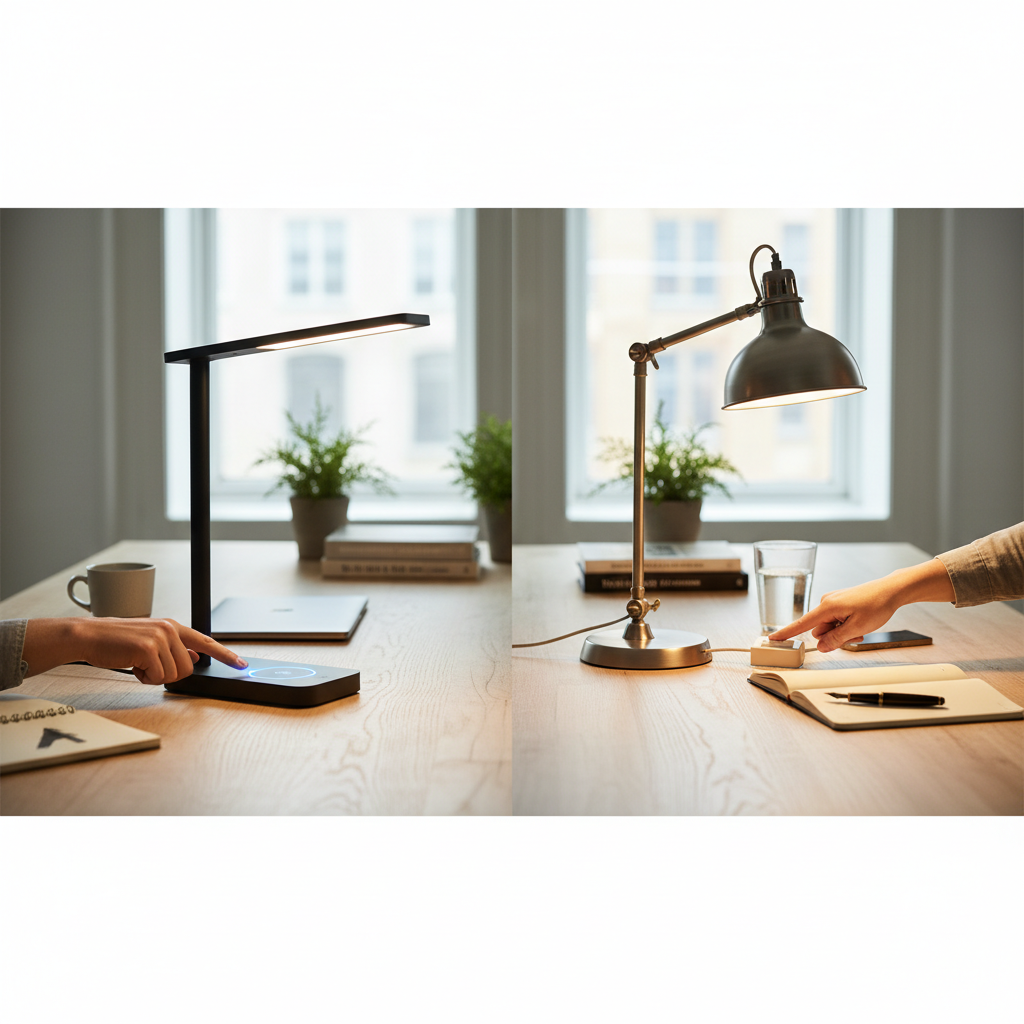
Touch control desk lamps represent a leap into contemporary design and intuitive functionality. These lamps often feature a minimalist aesthetic, seamlessly integrating into modern interiors without the visual clutter of protruding buttons or switches. Their operation is simple and sophisticated: a gentle tap on a designated area, often the base or a touch-sensitive panel, is all it takes to activate or adjust the light.
A significant advantage of touch control is the effortless user experience it provides. With no mechanical force required, switching the lamp on or off and cycling through brightness levels feels smooth and responsive. Many touch-controlled models come equipped with advanced features, allowing users to effortlessly adjust light intensity, and sometimes even color temperature, with successive touches. This multi-level functionality can transform your lighting, enabling you to shift from bright, focused task lighting to a softer, ambient glow for relaxation or reading. Moreover, the flat, often glass-like surfaces of touch controls are incredibly easy to wipe clean, contributing to a hygienic and pristine workspace. The absence of moving parts also means less accumulation of dirt and germs, which is a subtle yet appreciated benefit in any environment. For those who embrace smart technology, many touch-control lamps can integrate with broader smart home systems, offering even more convenience and control.
However, the modern elegance of touch control comes with its own set of considerations. One common drawback is the potential for accidental activation. A stray brush of a hand or an object placed too close can inadvertently turn the lamp on or off, or change its settings. The lack of tactile feedback, while contributing to a sleek design, can be a point of contention for some users who prefer the reassuring “click” or physical resistance of a traditional switch. While advanced, the electronic components behind touch controls can sometimes be prone to technical issues or sensor malfunctions, potentially requiring more frequent replacement than their simpler, mechanical counterparts. This can also lead to a higher initial purchase cost compared to lamps with conventional switches.
The Enduring Appeal of Physical Switch Desk Lamps: Reliability and Familiarity
In contrast to the futuristic appeal of touch control, physical switch desk lamps offer a timeless sense of reliability and straightforward functionality. These lamps feature tangible buttons, toggles, or rotary dials that provide immediate and unmistakable feedback when operated. This tactile response is a significant draw for many, offering a reassuring sense of control and a clear indication of the lamp’s on or off state.
The durability of physical switches is often touted as a major advantage. With robust mechanical designs, they are generally more resilient to daily wear and tear and can boast an impressive lifespan, often exceeding a decade of consistent use. Their operation is universally understood and requires no learning curve, making them accessible and user-friendly for individuals of all ages. For tasks requiring quick, decisive action, the clear engagement of a physical switch can be more efficient and less prone to misoperation than a touch sensor. Furthermore, lamps equipped with physical switches typically come at a more accessible price point, offering a cost-effective lighting solution without sacrificing essential functionality.
Despite their dependable nature, physical switch lamps might not always align with contemporary design preferences. Their visible switches can sometimes detract from a minimalist aesthetic, and the mechanical elements might be perceived as less “sleek.” Over time, these mechanical parts can experience wear, leading to a loose feel or a diminished tactile response. The crevices and edges around physical switches can also be magnets for dust and dirt, requiring more diligent cleaning to maintain a tidy appearance. While some physical switch lamps incorporate dimmers or multi-setting dials, they may not always offer the same seamless, integrated array of advanced features often found in their touch-controlled counterparts.
Head-to-Head: Touch Control vs. Physical Switch for Desk Lamps
When making your choice, a direct comparison of key attributes can help illuminate the path forward:
| Feature | Touch Control Desk Lamps | Physical Switch Desk Lamps |
|---|---|---|
| Aesthetics | Sleek, minimalist, modern design, clean lines. | Traditional, functional, visible switch; can be integrated. |
| User Experience | Effortless, intuitive tap; multi-level adjustments. | Tactile feedback, satisfying click; clear on/off state. |
| Durability | Electronic components may be prone to sensor issues. | Mechanical, robust, generally longer lifespan (10+ years). |
| Features | Often includes multi-level dimming, color temperature, smart integration. | Basic on/off; dimming usually via separate rotary or push. |
| Cost | Higher initial investment due to integrated technology. | Generally more affordable. |
| Maintenance | Easy to wipe clean, less dirt accumulation. | Can accumulate dust around switch, requires more attention. |
| Accidental Use | Higher potential for accidental activation. | Very low potential for accidental activation. |
Choosing Your Ideal Desk Lamp Control: What Matters Most?
The decision between a touch control and a physical switch desk lamp ultimately hinges on your personal preferences, your specific needs, and the environment where the lamp will reside. There’s no universal “best” option; instead, it’s about finding the perfect match for your lifestyle.
First, consider the purpose of your desk lamp. For a home office or a student’s study area where reliability and precise, consistent control are paramount, a physical switch might be the more reassuring choice. The definitive click can minimize distractions and ensure you’re always in control of your lighting. Conversely, for a bedside lamp or a decorative accent in a living room, the smooth, unobtrusive nature of touch control can be highly desirable, allowing for easy adjustments in low-light conditions without fumbling.
Next, think about aesthetics and design integration. If your workspace or room embraces a modern, minimalist, or high-tech decor, a touch control lamp will likely blend seamlessly, contributing to a sleek and uncluttered look. If your style leans more towards traditional, industrial, or classic designs, a lamp with a well-crafted physical switch or a rotary dimmer can complement the aesthetic beautifully, adding to its character.
User preference for tactile feedback is also a critical factor. Some individuals inherently prefer the tangible sensation of pushing a button or flipping a switch, finding it more satisfying and less ambiguous than a touch sensor. Others might appreciate the effortless, almost futuristic feel of touch controls. Consider who will be using the lamp; for children or elderly family members, the straightforward operation of a physical switch might be more intuitive and less frustrating.
Finally, budget and durability concerns play a role. If cost-effectiveness and long-term mechanical reliability are top priorities, a physical switch lamp is often the more economical and robust choice. If you’re willing to invest more for advanced features, contemporary design, and a refined user experience, a touch control lamp could be an excellent fit, provided you are aware of the potential for electronic wear.
Innovations in Desk Lamp Control
The evolution of desk lamp controls doesn’t stop at just touch or physical switches. Manufacturers are increasingly exploring hybrid models that combine the best of both worlds, offering a physical button for power alongside touch-sensitive panels for dimming and color temperature adjustments. The rise of smart home technology has also brought voice control and app-based management to many modern desk lamps, often paired with touch controls, offering unparalleled convenience and customization. These innovations ensure that regardless of your preference, there’s a lighting solution designed to integrate seamlessly into your connected life.
Conclusion
Navigating the choice between touch control and physical switch for your desk lamp is more than a simple toggle; it’s about aligning technology with your personal workflow and aesthetic desires. While touch control lamps offer a contemporary, sleek design with advanced features and effortless operation, they may come with a higher price tag and a potential for accidental activation or electronic issues. Physical switch lamps, on the other hand, boast proven reliability, tactile satisfaction, and cost-effectiveness, though they might not always offer the same minimalist appeal or extensive integrated features. Ultimately, there is no single “best” option. Your ideal desk lamp is one that not only illuminates your tasks but also enhances your daily routine through a control mechanism that resonates with your comfort, style, and functional needs. Which control style will you choose to perfectly light up your world?
Câu Hỏi Thường Gặp
Are touch control desk lamps more energy-efficient?
While not inherently more energy-efficient due to their control method, many touch control desk lamps are often integrated with LED technology and advanced features like dimming, which can significantly reduce energy consumption. These features allow for precise light output, ensuring you only use the power necessary for your task.
Which type of desk lamp control is more durable?
Generally, physical switch desk lamps are considered more durable in terms of mechanical longevity. Their robust design, without complex electronic sensors, means they are less prone to technical malfunctions over extended periods. Touch control lamps, while durable in their sleek surfaces, rely on electronics that can sometimes fail.
Can touch lamps be used with smart home systems?
Yes, many modern touch control desk lamps are designed with smart home integration in mind. They often connect via Wi-Fi or Bluetooth, allowing for control through smartphone apps, voice assistants, and broader smart home ecosystems, offering enhanced convenience and automation possibilities.
Are physical switch lamps outdated?
Physical switch lamps are far from outdated. While touch control offers a modern aesthetic, physical switches remain popular for their reliability, tactile feedback, and straightforward operation. Many high-quality desk lamps still incorporate physical switches, especially in designs that prioritize functionality and a classic feel.
What are the common issues with touch lamps?
Common issues with touch lamps can include accidental activation due to unintentional contact, a lack of tactile feedback that some users miss, and potential sensor malfunctions or electronic failures over time, which may be more complex or costly to repair compared to a simple mechanical switch.