Fabric lamp shades add a touch of warmth and elegance to any room, transforming harsh light into a soft, inviting glow. However, their porous surfaces are natural dust magnets, and over time, they can accumulate dirt, pet hair, and even unsightly stains, diminishing their charm. Many homeowners hesitate to clean these delicate fixtures, fearing irreversible damage. But with the right techniques and a little care, you can safely restore your fabric lamp shades to their pristine condition, ensuring they continue to illuminate your space beautifully. This guide will walk you through proven methods, from gentle dusting to tackling stubborn stains, empowering you to keep your lampshades looking fresh and vibrant for years to come.
Understanding Your Fabric Lamp Shade
Before embarking on any cleaning endeavor, it’s crucial to understand the type of fabric your lamp shade is made from and its construction. Different materials and build methods require tailored approaches to prevent damage.
Types of Fabric Lamp Shades
Fabric lampshades come in a diverse array of materials, each with unique characteristics that influence cleaning methods.
- Natural Fibers: Materials like linen, cotton, and silk are popular for their aesthetic appeal and texture. Linen and cotton are generally more resilient to gentle wet cleaning, while silk is highly delicate and often requires dry cleaning or professional care.
- Synthetic Fibers: Polyester and rayon shades are often more durable and can usually withstand careful wet cleaning. They are less prone to shrinking or stretching than natural fibers.
- Pleated vs. Smooth Shades: Pleated shades can trap more dust and may require more meticulous attention in crevices. Smooth shades offer easier surface cleaning.
- Vintage vs. Modern Shades: Older shades, especially vintage ones, may have fragile fabric, brittle adhesives, or unique embellishments that necessitate extra caution.
|
Our Picks for the Best Desk lamp in 2026
As an Amazon Associate I earn from qualifying purchases.
|
||
| Num | Product | Action |
|---|---|---|
| 1 | Fenmzee Bedside Table Lamp for Bedroom - 3 Way Dimmable Touch Lamp USB C Charging Ports and AC Outlet, Small Lamp Wood Base Round Flaxen Fabric Shade for Living Room, Desk, LED Bulb Included |

|
| 2 | LED Desk Lamp with USB Ports,Touch Desk Lamps for Home Office with 5 Color Modes,3 Brightness Desk Light with Small Night Light,Reading Lamp Table Lamp for Bedroom Bedside Study Black (with adapter) |
|
| 3 | Micomlan Led Desk Lamp with Clamp, Architect Desk Lamp for Home Office with Atmosphere Lighting, 24W Ultra Bright Auto Dimming Computer Light Stepless Dimming and Tempering LED Table Light |
|
| 4 | Airlonv LED Desk Lamp for Office Home, Eye-Caring Desk Light with Stepless Dimming Adjustable Flexible Gooseneck, 10W USB Adapter Desk Lamp with Clamp for Reading, Study, Workbench (Black) |
|
| 5 | 15W LED Desk Lamp with USB Charging Ports – Dimmable Table Lamp with 3 Color Temps, 5 Brightness, 4 Timers, Flexible Gooseneck Light with Base, Eye-Caring Reading Light for Home Office, Bedroom, Study |
|
| 6 | BOHON LED Desk Lamp with USB Charging Port 3 Color Modes Dimmable Reading Light Intelligent Induction Auto Dimming Task Lamp Neck Flexible Table Lamp for Bedside Office, AC Adapter Include |
|
| 7 | Voncerus LED Desk Lamp with Clamp, Eye-Caring Clip on Lights for Home Office, 3 Modes 10 Brightness, Long Flexible Goose-Neck, Metal, Swing Arm Architect Task Table Lamps with USB Adapter, Black |
|
| 8 | Motumen Led Desk Lamp for Home Office, Eye-Care Architect Light with Clamp, Smart Double Head Computer Monitor Table Clip Lamp, Adjustable Flexible Goose-Neck, 25 Lighting Models, Task Lamp, Black |
|
| 9 | CHARYJOD LED Desk Lamp for Office Home, Height Adjustable Architect Desk Light with USB Adapter, Stepless Dimming Desk Lamp Light for Reading, Study, Workbench |
|
| 10 | Sailstar Desk Lamp, LED Desk Lamps for Home Office, Wireless Charger Small Desk Lamp with Pen Holder, 3 Color Modes, Dimmable, CRI 85, 800LM, Study Lamps for College Dorm Room, Adapter Included, Black |
|
Identifying Your Lampshade’s Material and Construction
Always check for a manufacturer’s care tag, which provides specific cleaning instructions or materials used. If no tag is present, you’ll need to make an informed assessment. Pay attention to how the fabric is attached to the frame; many shades use glue along the seams, which can be compromised by excessive moisture or hot water. Metal frames can also rust if exposed to prolonged dampness, leading to stains on the fabric. Understanding these elements will guide you in choosing the safest cleaning method.
Essential Tools and Cleaning Agents
Having the right tools and mild cleaning agents on hand is key to a successful and safe lampshade cleaning process.
For Dry Cleaning
Dry cleaning methods are ideal for routine dusting and for shades that cannot tolerate moisture.
- Lint Roller: Excellent for picking up surface dust, pet hair, and lint without damaging delicate fabrics.
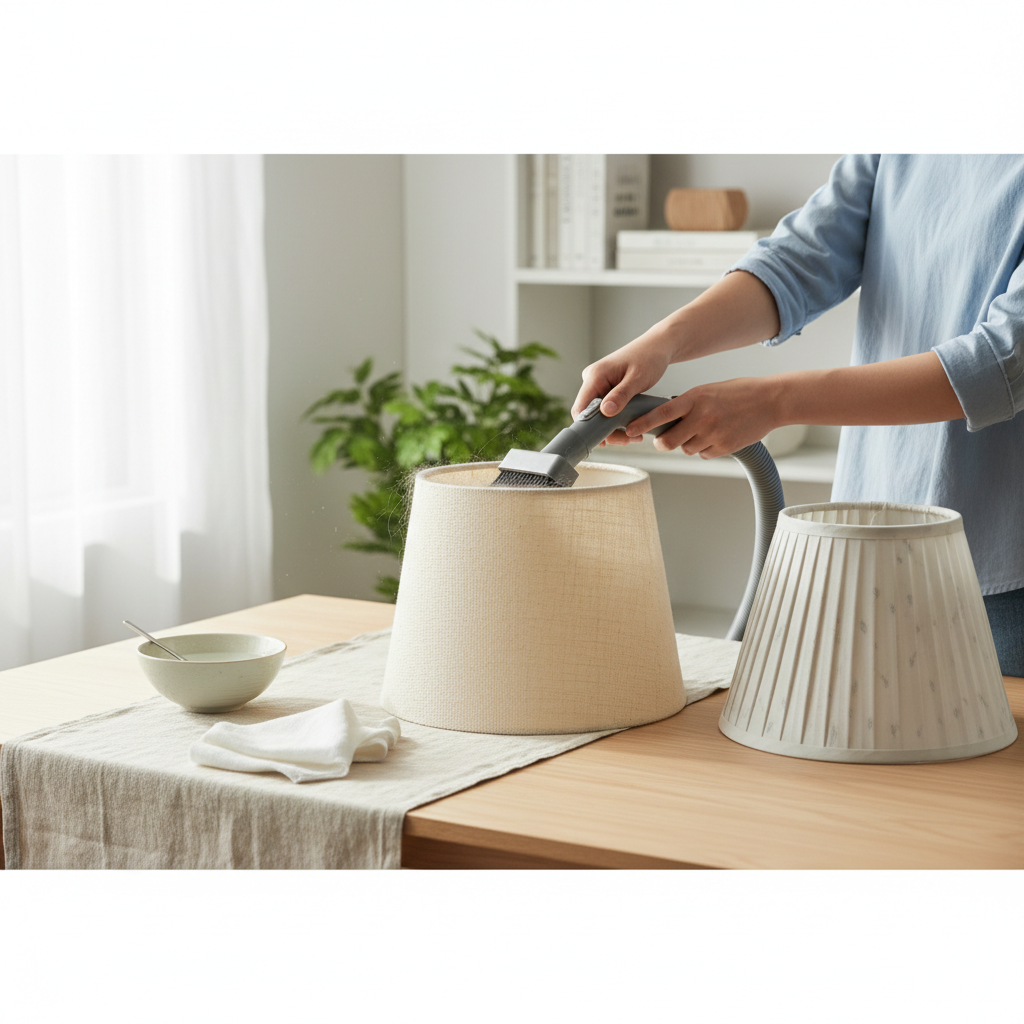
- Vacuum Cleaner with Brush Attachment: A soft brush attachment on your vacuum cleaner can efficiently remove loose dust and debris from the fabric surface and harder-to-reach areas.
- Microfiber Cloths: Soft, dry microfiber cloths are effective for wiping down surfaces and picking up dust.
- Soft-Bristled Brush or Paintbrush: Useful for gently dislodging dust from pleated shades or intricate textures.
For Wet Cleaning (Spot & Deep)
Wet cleaning is suitable for more stubborn dirt and stains, but always proceed with caution and material suitability in mind.
- Mild Liquid Detergent: A few drops of gentle liquid laundry detergent or dishwashing liquid (such as Dawn) are typically sufficient. Avoid harsh chemicals or strong soaps that can damage fabric or cause discoloration.
- Warm Water (or Cold for Glue Seams): Warm water is generally effective for cleaning, but if your lampshade has glued seams, cold water is recommended to prevent the adhesive from dissolving.
- Clean White Towels or Microfiber Cloths: Essential for blotting, wiping, and drying. Using white cloths helps prevent color transfer onto your lampshade.
- Soft Sponge or Toothbrush: A soft sponge can be used for applying cleaning solutions, while a soft-bristled toothbrush is excellent for gently working on tough stains in small areas.
- Large Bucket or Bathtub: Necessary for preparing cleaning solutions and for deep cleaning shades that can be submerged.
Step-by-Step Guide to Safely Cleaning Fabric Lamp Shades
Follow these steps to ensure a thorough and safe cleaning process for your fabric lamp shades.
Step 1: Prepare Your Work Area and Lampshade
Safety and preparation are paramount.
- Unplug and Remove: Always start by unplugging the lamp and carefully removing the lampshade from its base. This prevents any electrical hazards and allows you to handle the shade freely.
- Gather Supplies: Lay out all your chosen dry and wet cleaning tools and agents within easy reach.
- Test in an Inconspicuous Area: Before applying any cleaning solution, especially for spot cleaning or wet cleaning, test it on a small, hidden area of the lampshade. This ensures no discoloration or damage occurs.
Step 2: Initial Dust Removal (Dry Cleaning Methods)
Begin with dry cleaning to remove loose surface dirt.
- Lint Rolling: Gently roll a clean lint roller over the entire surface of the lampshade, both inside and out. The sticky sheets will lift dust, pet hair, and superficial grime. Replace sheets as they become saturated.
- Vacuuming: Using a vacuum cleaner with a soft brush or upholstery attachment, gently vacuum the lampshade from top to bottom. Use light pressure to avoid distorting the fabric or frame. This is particularly effective for removing dust deeply embedded in woven fabrics.
- Wiping with a Microfiber Cloth: For a quick refresh, a dry microfiber cloth can be used to wipe down the shade, capturing dust particles.
Step 3: Tackling Stains and Deeper Dirt (Wet Cleaning Methods)
For more stubborn grime, wet cleaning may be necessary, but exercise caution.
Spot Cleaning for Minor Stains
If your lampshade has only a few isolated spots, spot cleaning is the safest approach.
- Prepare a Mild Detergent Solution: Mix a few drops of mild liquid detergent with warm water in a small bowl. For shades with glued seams, use cold water to protect the adhesive.
- Blot, Don’t Scrub: Dip a clean, white microfiber cloth or soft sponge into the solution, wring it out thoroughly so it’s only damp, not dripping. Gently blot the stained area. Avoid scrubbing, which can spread the stain, damage the fabric fibers, or create water rings. For tougher spots, a soft toothbrush can be used to gently agitate the stain.
- Rinse and Air Dry: Dampen another clean cloth with plain water and blot the area to remove any soap residue. Place the lampshade in a dry, well-ventilated area and allow it to air dry completely. Ensure it is bone-dry before reattaching it to the lamp.
Deep Cleaning for Heavily Soiled Shades (if suitable for wet cleaning)
For lampshades that are heavily soiled and can withstand immersion (e.g., sturdy cotton or linen without delicate embellishments or susceptible glue seams), a deep clean might be appropriate.
- Prepare a Gentle Soap Bath: Fill a large bucket or a clean bathtub with warm water (or cold water if worried about glue). Add a small amount of mild liquid detergent and swirl gently to create suds.
- Submerge and Gently Agitate: Carefully submerge the entire lampshade into the soapy water. Gently rotate and agitate the lampshade in the water to help lift dirt and stains. Avoid vigorous scrubbing or twisting, as this can distort the shade’s shape or damage the fabric. Let heavily soiled shades soak for about 5-10 minutes, rotating to ensure even cleaning.
- Rinse Thoroughly: Drain the soapy water and refill the bucket or tub with clean, plain warm (or cold) water. Submerge the lampshade and swish it around to rinse away all soap residue. You may need to repeat this step with fresh water until the water runs clear.
- Remove Excess Water and Air Dry: Gently shake off as much excess water as possible. Do not wring or twist the fabric. Place the lampshade on a clean, dry towel or a drying rack in a well-ventilated area. You can gently reshape the fabric as it dries to help maintain its original form. Ensure the lampshade is completely dry, which may take up to a day, especially for thicker fabrics or glued seams. Using a fan can expedite drying, but avoid direct heat from a hairdryer on a hot setting as it can shrink or warp the fabric.
Step 4: Special Considerations for Different Fabrics and Stains
Certain materials and stains require specific care.
- Delicate Fabrics (Silk, Vintage, Hand-Painted): These shades are highly susceptible to water damage, shrinking, or color bleeding. For silk, vintage, or hand-painted lampshades, it is best to stick to dry cleaning methods or seek professional cleaning to avoid irreparable harm.
- Paper/Fiber Shades: Water will likely disintegrate these materials. For cleaning, use a dry method like a lint roller or a special gum eraser for any marks.
- Colored Shades: If your lampshade has vibrant colors, avoid prolonged soaking, especially with warm water, as this can cause the colors to bleed or run. Stick to spot cleaning with cold water and very gentle blotting.
- Mildew Stains: For washable fabric shades, a solution of bleach and water can sometimes remove mildew, but this should be tested in an inconspicuous area first and used with extreme caution due to the risk of discoloration. For non-washable shades, professional cleaning is advisable.
- Yellow Spots: Create a paste using warm water and a small amount of baking soda. Apply it to the yellowed areas, let it sit for about 15 minutes, then gently rinse and dry. This can often help brighten discolored fabric.
Common Mistakes to Avoid When Cleaning Fabric Lamp Shades
Even with the best intentions, certain cleaning blunders can lead to irreparable damage.
- Using Harsh Chemicals: Avoid strong detergents, abrasive cleaners, bleach (unless specifically for mildew on robust, white, washable fabrics), or ammonia-based products. These can weaken fibers, cause discoloration, or dissolve adhesives.
- Scrubbing Too Hard: Aggressive scrubbing can fray or distort delicate fabrics, spread stains, and even damage the structural integrity of the lampshade.
- Over-Wetting the Fabric: Excessive moisture is a primary culprit for damaged lampshades. It can cause fabrics to stretch, shrink, create water rings, dissolve glues, or lead to mold and mildew if not dried properly.
- Not Drying Thoroughly: Rushing the drying process or not allowing complete dryness can result in unpleasant odors, mildew growth, or the breakdown of internal components.
- Neglecting Manufacturer’s Instructions: If a care tag exists, it’s there for a reason. Always prioritize and follow any specific cleaning guidelines provided by the manufacturer.
“Many people overlook the importance of understanding their lampshade’s material before cleaning. A gentle touch and the right cleaning agent can make all the difference between a refreshed shade and a ruined one.” – Sarah Chen, Textile Restoration Specialist
Maintaining Your Fabric Lamp Shades for Lasting Beauty
Regular maintenance is the easiest way to keep your fabric lamp shades looking their best and minimize the need for deep cleaning.
- Regular Dusting: Make it a habit to dust your lampshades weekly or bi-weekly using a lint roller, vacuum attachment, or a soft microfiber cloth. This prevents dust from settling deeply into the fibers.
- Avoiding Direct Sunlight: Prolonged exposure to direct sunlight can cause fabric lampshades to fade, yellow, or become brittle over time. Position lamps away from windows where possible, or use UV-filtering curtains.
- Handling with Clean Hands: Oils and dirt from your hands can transfer to the fabric, leading to smudges and attracting more dust. Always handle lampshades with clean hands.
- Rotating Periodically: If your lampshade is near a light source or window that causes uneven exposure, rotate it periodically to ensure even fading and wear.
Conclusion
Cleaning fabric lamp shades safely is a task that requires attention to detail and a gentle hand, but it is entirely achievable. By understanding your lampshade’s material, gathering the appropriate tools, and following a methodical approach—whether it’s a quick dry dusting or a more involved wet clean—you can effectively remove dust, tackle stains, and restore its original beauty. Avoiding common mistakes like using harsh chemicals or over-wetting ensures the longevity of your cherished lighting fixtures. With consistent maintenance and the insights provided in this guide, you can confidently keep your fabric lamp shades sparkling, enhancing the ambiance of your home for years to come. What unique fabric lampshade will you refresh next?
Câu Hỏi Thường Gặp
Can you machine wash a fabric lampshade?
It is generally not recommended to machine wash fabric lampshades. The agitation and high temperatures of a washing machine can damage delicate fabrics, warp the frame, dissolve adhesives, and cause the lampshade to lose its original shape. Stick to gentle hand washing or spot cleaning instead.
How often should I clean my lampshades?
For general maintenance, dust your lampshades weekly or bi-weekly using a lint roller or vacuum cleaner. A deeper clean, involving spot treatment or gentle wet cleaning, should be performed every few months or as needed, depending on dust accumulation and visible stains.
What if my lampshade has glue seams?
If your lampshade has glued seams, it’s crucial to use cold water for any wet cleaning methods, whether spot cleaning or gentle immersion. Warm or hot water can soften and dissolve the adhesive, causing the fabric to detach from the frame. If in doubt, opt for dry cleaning methods.
Can I use a fabric protector spray?
Yes, you can use a fabric protector spray specifically designed for upholstery or delicate fabrics on your lampshade. Always test it on an inconspicuous area first to ensure it doesn’t cause discoloration or alter the fabric’s texture. A protector can help repel dust and stains, making future cleaning easier.
How to remove yellowing from fabric lampshades?
Yellowing on fabric lampshades, often caused by age, heat from bulbs, or nicotine, can sometimes be brightened. Try creating a paste with warm water and a tablespoon of baking soda. Apply it to the yellowed areas, let it sit for about 15 minutes, then gently rinse with clean water and air dry thoroughly.
When should I consider professional cleaning?
Consider professional cleaning for extremely delicate, antique, or heavily stained fabric lampshades, especially those made of silk, with intricate embellishments, or if you are unsure about the fabric’s composition or ability to withstand water. Professionals have specialized techniques and solutions to minimize risk.