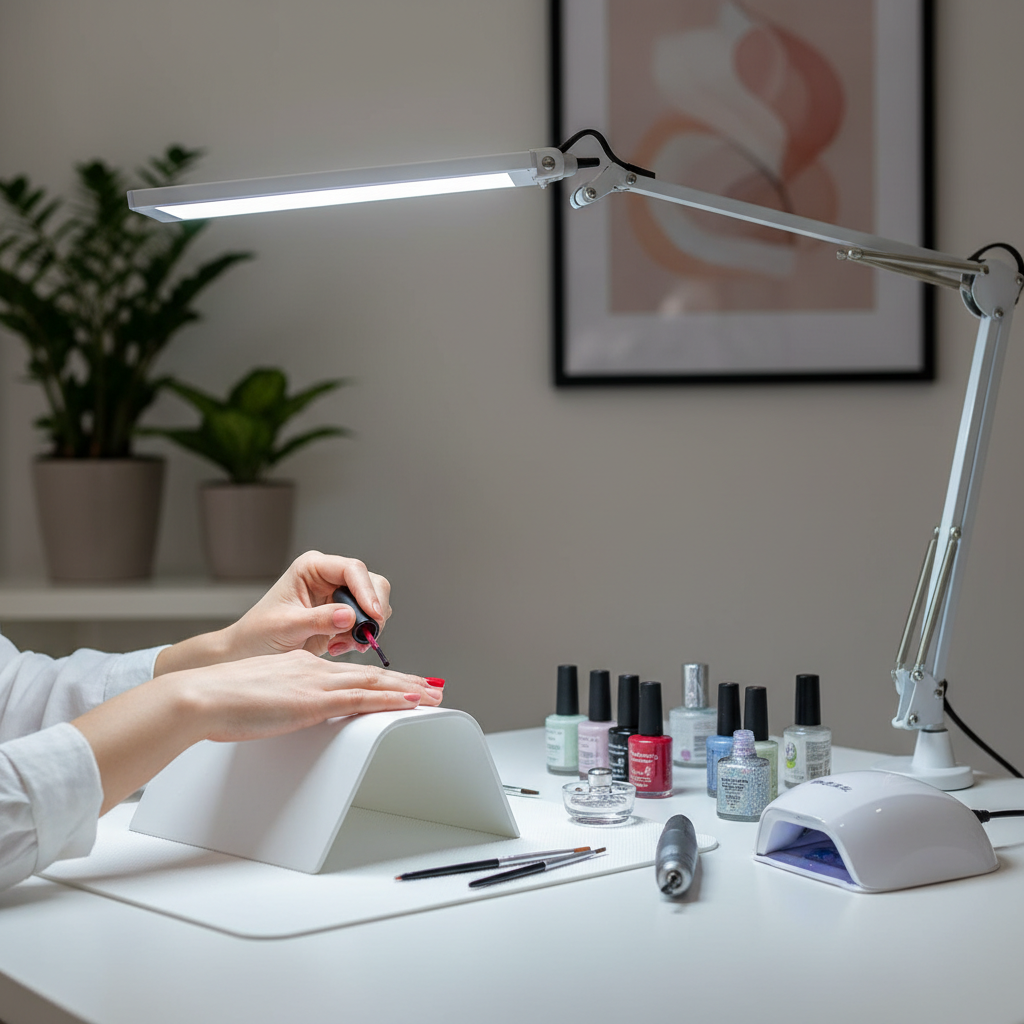
Choosing the perfect lighting for your home or office can transform a room, impacting everything from productivity to ambiance. As an expert who has spent over a decade immersed in the world of lamps, I understand the subtle yet significant differences that can make one lamp type shine brighter than another for your specific needs. When it comes to versatile supplementary lighting, the choice often narrows down to two popular contenders: the floor lamp and the desk lamp. Both offer distinct advantages and serve different purposes, yet the decision isn’t always straightforward. This guide will meticulously break down their characteristics, helping you navigate the options to select the ideal illumination that perfectly complements your space and lifestyle.
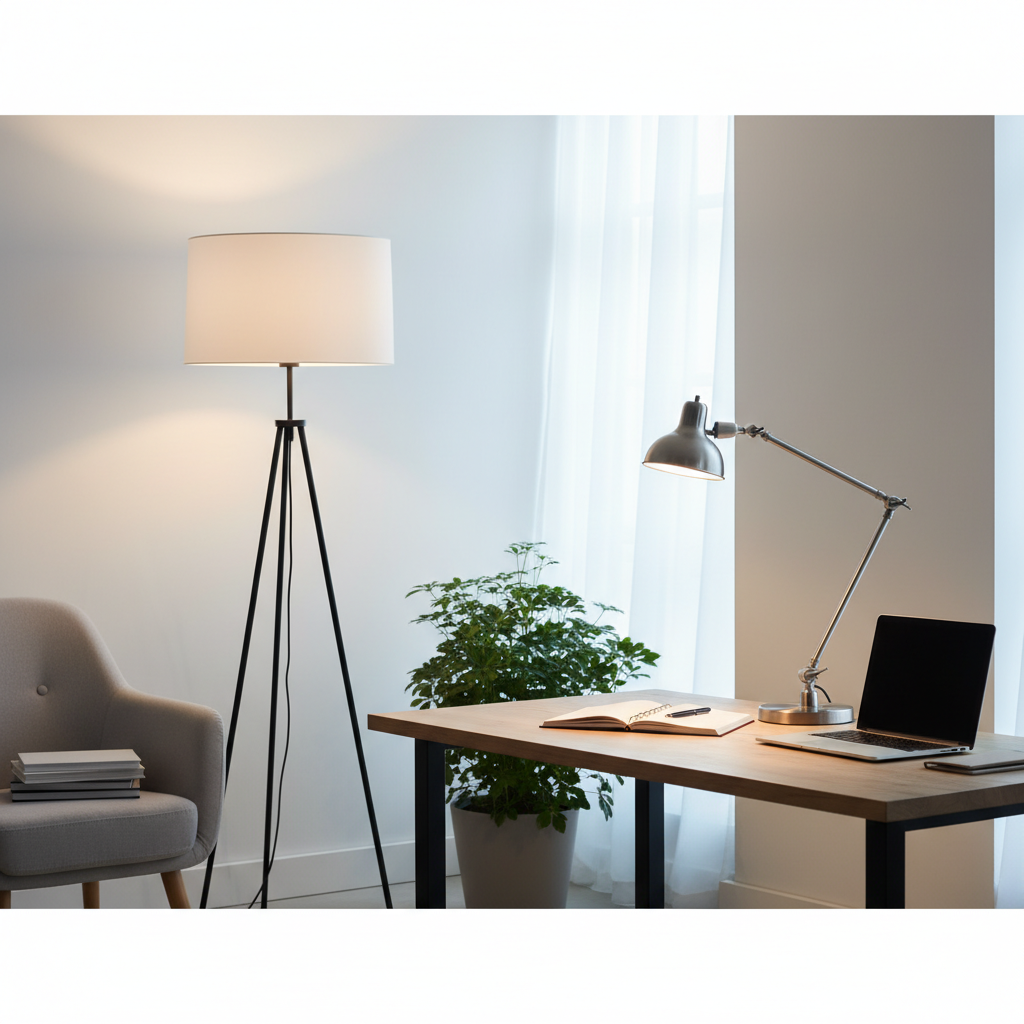
Understanding the Fundamentals: Defining Your Lighting Companions
Before diving into a head-to-head comparison, let’s establish a clear understanding of what each lamp type brings to the table – or the floor.
What is a Floor Lamp?
|
Our Picks for the Best Desk lamp in 2026
As an Amazon Associate I earn from qualifying purchases.
|
||
| Num | Product | Action |
|---|---|---|
| 1 | Voncerus LED Desk Lamp with Clamp, Eye-Caring Clip on Lights for Home Office, 3 Modes 10 Brightness, Long Flexible Goose-Neck, Metal, Swing Arm Architect Task Table Lamps with USB Adapter, Black |

|
| 2 | Motumen Led Desk Lamp for Home Office, Eye-Care Architect Light with Clamp, Smart Double Head Computer Monitor Table Clip Lamp, Adjustable Flexible Goose-Neck, 25 Lighting Models, Task Lamp, Black |
|
| 3 | LED Desk Lamp with USB Ports,Touch Desk Lamps for Home Office with 5 Color Modes,3 Brightness Desk Light with Small Night Light,Reading Lamp Table Lamp for Bedroom Bedside Study Black (with adapter) |
|
| 4 | Micomlan Led Desk Lamp with Clamp, Architect Desk Lamp for Home Office with Atmosphere Lighting, 24W Ultra Bright Auto Dimming Computer Light Stepless Dimming and Tempering LED Table Light |
|
| 5 | Sailstar Desk Lamp, LED Desk Lamps for Home Office, Wireless Charger Small Desk Lamp with Pen Holder, 3 Color Modes, Dimmable, CRI 85, 800LM, Study Lamps for College Dorm Room, Adapter Included, Black |
|
| 6 | CHARYJOD LED Desk Lamp for Office Home, Height Adjustable Architect Desk Light with USB Adapter, Stepless Dimming Desk Lamp Light for Reading, Study, Workbench |
|
| 7 | Airlonv LED Desk Lamp for Office Home, Eye-Caring Desk Light with Stepless Dimming Adjustable Flexible Gooseneck, 10W USB Adapter Desk Lamp with Clamp for Reading, Study, Workbench (Black) |
|
| 8 | 15W LED Desk Lamp with USB Charging Ports – Dimmable Table Lamp with 3 Color Temps, 5 Brightness, 4 Timers, Flexible Gooseneck Light with Base, Eye-Caring Reading Light for Home Office, Bedroom, Study |
|
| 9 | Fenmzee Bedside Table Lamp for Bedroom - 3 Way Dimmable Touch Lamp USB C Charging Ports and AC Outlet, Small Lamp Wood Base Round Flaxen Fabric Shade for Living Room, Desk, LED Bulb Included |
|
| 10 | BOHON LED Desk Lamp with USB Charging Port 3 Color Modes Dimmable Reading Light Intelligent Induction Auto Dimming Task Lamp Neck Flexible Table Lamp for Bedside Office, AC Adapter Include |
|
A floor lamp is a tall, freestanding lighting fixture designed to rest directly on the floor. Typically ranging from 4 to 6 feet in height, these lamps often feature a weighted base for stability and various shade styles, from upward-facing torchieres to downward-casting shades or multi-directional heads. They are commonly placed in living rooms, bedrooms, or reading nooks, intended to provide general ambient light or targeted illumination over a wider area without requiring existing furniture surfaces.
What is a Desk Lamp?
A desk lamp, conversely, is a smaller, more compact lighting unit specifically designed to sit on a flat surface, such as a desk, table, or nightstand. These lamps are characterized by their focused light output, often featuring adjustable arms, heads, and dimming capabilities to direct illumination precisely where needed. The primary function of a desk lamp is to provide task lighting, enhancing visibility for activities like reading, writing, studying, or working on a computer, thereby reducing eye strain and improving concentration.
Lighting Needs: Floor Lamp vs. Desk Lamp for Every Purpose
The core distinction between these two lamp types lies in their intended use and the kind of light they emit. Understanding these differences is crucial for making an informed decision.
For Task-Oriented Activities (Study, Work, Reading)
When your primary goal is to illuminate a specific activity, the choice between a floor lamp and a desk lamp becomes quite clear.
-
Desk Lamp Focus: Precision, Eye Strain Reduction, Adjustable Features
For detailed tasks, a high-quality desk lamp is often indispensable. These lamps excel at providing focused, direct light onto a workspace, minimizing shadows and glare that can lead to visual fatigue. Many modern desk lamps come equipped with features like adjustable brightness levels, color temperature controls, and flexible arms, allowing you to customize the light to your exact preference and the specific task at hand. This precision is vital for prolonged periods of reading, writing, crafting, or computer work, safeguarding your eyes and boosting productivity. A premium LED desk lamp with a high Color Rendering Index (CRI >90) and natural daylight temperatures (4000K-5000K) is particularly effective for reducing eye strain and protecting vision during long hours at a desk. -
Floor Lamp Role: Supplemental, Ambient Light for Reading Chairs
While less precise than a dedicated desk lamp for a tight workspace, a floor lamp can be an excellent choice for reading in a comfortable armchair or on a sofa. Adjustable arm floor lamps are particularly suitable, allowing you to direct light over your shoulder, providing ample illumination for a book or magazine without harsh glare. They serve a valuable role in creating a cozy reading nook without cluttering a side table, offering a broader pool of light that can also contribute to the overall room ambiance.
For Ambient and General Illumination
When the goal is to brighten an entire room or set a specific mood, floor lamps typically take the lead.
-
Floor Lamp Focus: Broad Coverage, Mood Setting, Making Spaces Feel Larger
Floor lamps are masters of ambient lighting, casting a wide, diffuse glow that can significantly enhance a room’s overall illumination. They can effectively replace the need for several smaller lamps, reducing clutter and opening up surface space. By providing a wash of light over a broad area, floor lamps can make a room feel larger and more open. They are excellent for creating different zones within an open-plan living space or for subtly drawing attention to architectural features or decorative elements through uplighting or downlighting. Whether you desire a soft, inviting atmosphere for entertaining or a gentle glow for relaxation, a floor lamp can be strategically placed to achieve the desired effect. -
Desk Lamp Role: Creating Intimate Zones, Accent Lighting
While primarily task-oriented, desk lamps can also contribute to ambient lighting by creating intimate, localized pools of light. Placed on a bedside table, they offer a cozy glow perfect for winding down. As accent lighting, a desk lamp can highlight a decorative object or a small corner, adding depth and interest to a room’s design. However, they are not designed to be the primary source of general room illumination and will generally make a space feel more contained and intimate due to their focused light.
For Decorative and Aesthetic Impact
Beyond their functional benefits, both floor and desk lamps play a significant role in interior design.
-
Floor Lamp Focus: Statement Piece, Adding Height and Scale
Floor lamps often serve as statement pieces, adding vertical interest and a sculptural element to a room. Their height draws the eye upward, which can be particularly beneficial in rooms with lower ceilings, making the space feel taller and grander. With an immense variety of styles, materials, and designs, a floor lamp can either blend seamlessly into your decor or stand out as a captivating focal point, reflecting your personal style and enhancing the room’s aesthetic appeal. -
Desk Lamp Role: Complementary Decor, Adding Personality to Surfaces
Desk lamps are excellent for complementing existing decor and adding a touch of personality to surfaces. They can be chosen to match the style of a desk, bookshelf, or nightstand, contributing to a cohesive design scheme. While not typically “statement pieces” in the grand sense of a floor lamp, a well-chosen desk lamp can be an elegant accent, showcasing careful attention to detail in your interior design.
“The right lighting isn’t just about brightness; it’s about shaping the experience of a space. A floor lamp can open up a room, while a desk lamp can define a moment of focus.” – Elena Rodriguez, Interior Lighting Designer
Key Comparison Criteria: Floor Lamp vs. Desk Lamp
Let’s break down the practical considerations when choosing between these two essential lighting fixtures.
| Feature | Floor Lamp | Desk Lamp |
|---|---|---|
| Space Requirements | Needs floor space and vertical clearance; can fill empty corners. | Requires a stable surface (desk, table, shelf); occupies desktop real estate. |
| Lighting Coverage | Broad, ambient, often fills the room; can make spaces feel larger. | Localized, task-oriented, focused; creates intimate zones. |
| Primary Use | General illumination, ambient lighting, accent lighting, reading in armchairs. | Task lighting (reading, writing, computer work, crafting). |
| Portability & Versatility | Generally movable, but requires designated floor space; can define zones. | Highly portable, easily moved between surfaces for varied tasks. |
| Design & Style Impact | Often a statement piece, adds height and scale, sculptural element. | Accent or complementary piece, adds personality to surfaces. |
| Eye Comfort | Reduces overall glare with diffuse light; good for relaxed reading. | Critical for reducing eye strain with focused, adjustable light. |
| Cord Management | Moderate difficulty (visible floor cables possible). | Easier (shorter, surface-bound cords). |
| Safety | Potential tip-over risk if not weighted or placed carefully. | Pull-down or knock-over risk, especially with pets/children. |
Choosing the Right Lamp: A Practical Guide
Making the final decision between a floor lamp and a desk lamp, or even deciding to integrate both, involves a thoughtful assessment of your specific environment and activities.
Determine Your Primary Need
- Task Lighting: If you spend significant time reading, working, or engaging in hobbies that require focused illumination, a desk lamp is generally your best bet. Look for adjustable features, appropriate light temperature, and flicker-free LEDs to protect your eyes.
- Ambient Lighting: For general room illumination, to brighten dark corners, or to create an inviting atmosphere, a floor lamp is ideal. Consider its height and shade type to ensure it disperses light effectively across the space.
- Accent Lighting: Both can serve this purpose. A desk lamp might highlight a specific collection on a shelf, while a floor lamp can draw attention to a piece of art or an architectural detail.
Assess Your Space
- Room Size: In smaller rooms, a desk lamp can efficiently provide task light without overwhelming the space. In larger rooms, a floor lamp can provide necessary ambient light and help define different areas.
- Available Surfaces: If you have ample desk or table space, a desk lamp integrates seamlessly. If surfaces are limited, a floor lamp frees them up while still providing essential light.
- Outlets and Layout: Consider the proximity of electrical outlets to where you need the light. Floor lamps might be limited by cord length, whereas desk lamps generally offer more flexibility with placement near existing surface-level outlets.
Consider Aesthetic Harmony
Both lamp types come in a vast array of styles, from sleek modern to rustic industrial. Choose a lamp whose design, material, and color complement your existing decor. A floor lamp can introduce a new texture or form to a room, while a desk lamp should ideally harmonize with the furniture it sits upon.
Budget Considerations
Lamps are available across all price points. Generally, complex, sculptural floor lamps can be a significant investment, while a basic desk lamp might be more budget-friendly. However, investing in quality lighting, especially for task-oriented activities, pays dividends in comfort, productivity, and eye health over time. Energy-efficient LED options are a wise choice for both types.
The Power of Layered Lighting
Often, the best solution isn’t an “either/or” but a “both/and.” Combining a floor lamp and a desk lamp creates a layered lighting scheme that offers maximum flexibility and aesthetic depth. A floor lamp can provide the general ambient glow, while a desk lamp offers targeted task lighting. This approach allows you to adjust the light according to time of day, activity, and mood, creating a truly dynamic and functional space. For instance, a floor lamp might offer overarching brightness in a living room, while a desk lamp on an adjacent side table provides a cozy, task-specific glow.
Conclusion
Choosing between a floor lamp and a desk lamp ultimately boils down to understanding your specific lighting needs, the dynamics of your space, and your desired aesthetic. A floor lamp excels at providing broad ambient light, adding scale, and making a decorative statement, ideal for general illumination and creating inviting atmospheres. Conversely, a desk lamp is the undisputed champion for focused task lighting, crucial for productivity, reducing eye strain, and adding personalized illumination to your workspace.
As a technician with extensive experience in the field, I’ve seen firsthand how the right lighting transforms a room, enhancing comfort and efficiency. Whether you opt for the expansive reach of a floor lamp or the precise focus of a desk lamp, remember that the perfect choice is the one that best supports your activities and enhances your living environment. Why not consider how a thoughtful combination of both could elevate your space to its full lighting potential?
Frequently Asked Questions
Which lamp is better for reading: a floor lamp or a desk lamp?
For reading in a comfortable chair or sofa, an adjustable floor lamp can be ideal as it directs light over your shoulder without harsh glare. However, for focused reading at a desk, a desk lamp provides more precise and concentrated light, which is crucial for reducing eye strain during prolonged sessions.
Can floor lamps save space compared to desk lamps?
Yes, in some contexts, floor lamps can save surface space by providing illumination without occupying a desk or table. They can fill empty corners, eliminating the need for an end table that might otherwise hold a table lamp, making them efficient for areas with limited horizontal surfaces.
What are the main benefits of using a desk lamp for work?
A desk lamp is primarily beneficial for providing focused task lighting, which significantly reduces eye strain and glare during detailed work. Many models offer adjustable brightness and color temperature, allowing for personalized illumination that enhances concentration and productivity in your workspace.
How can I use both a floor lamp and a desk lamp effectively in one room?
To use both effectively, combine them for layered lighting. Use a floor lamp for ambient or general room illumination, and then add a desk lamp for specific tasks or accent lighting. This approach allows for versatile lighting control, adapting to different moods and activities throughout the day.