In today’s interconnected world, lighting is no longer just about illumination; it’s about intelligent control, energy efficiency, and seamless integration into our digital lives. For businesses and tech-savvy homeowners, the Ubiquiti UniFi LED Panel emerges as a compelling solution, promising a blend of high-quality light output with sophisticated network management capabilities. But does this networked lighting system truly deliver on its promise of a smarter, more efficient environment? This comprehensive review dives deep into the UniFi LED Panel, exploring its features, performance, and overall value.
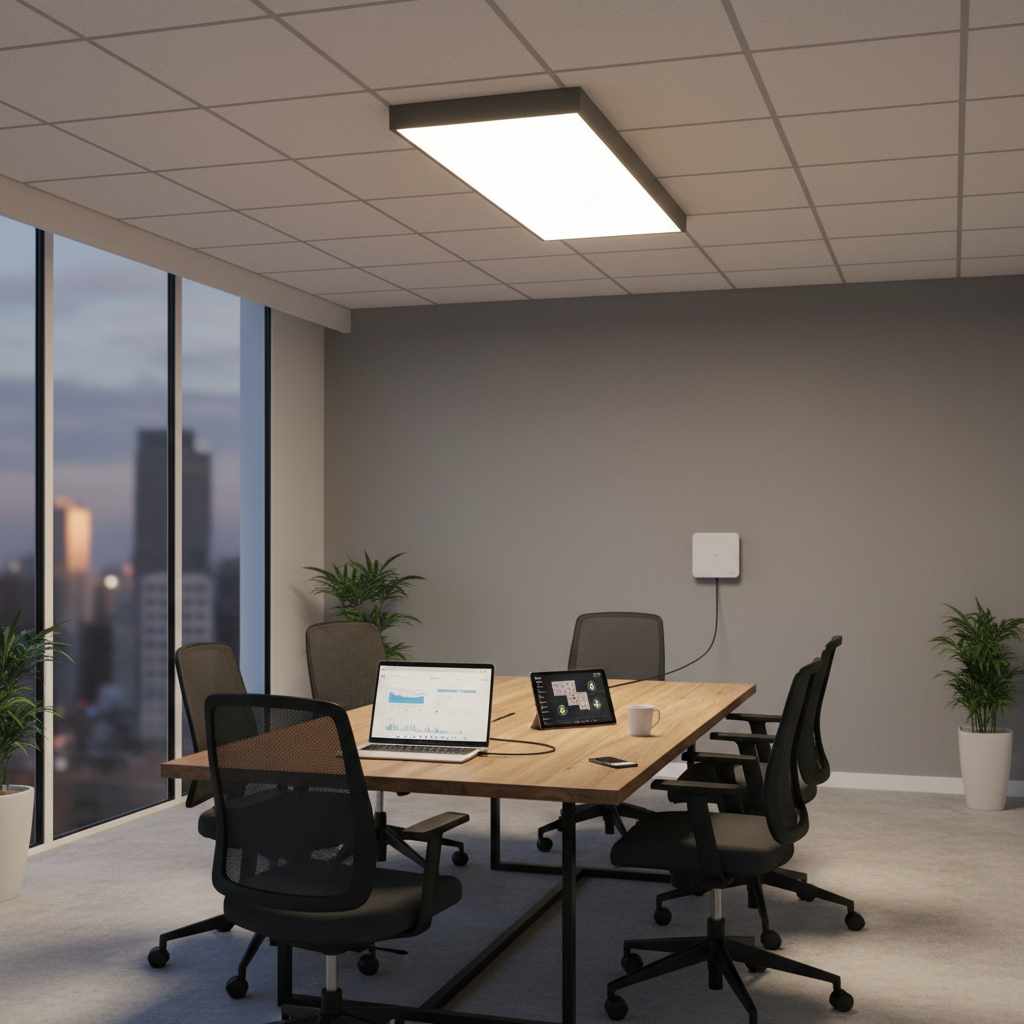
Understanding Ubiquiti UniFi LED Panels
Ubiquiti’s UniFi LED Panels are designed as enterprise-grade lighting solutions, fitting into standard T-grid dropped ceilings. They come in two primary versions, catering to different installation needs and preferences.
UniFi LED Panel ULED-AT (PoE+)
|
Our Picks for the Best Desk lamp in 2026
As an Amazon Associate I earn from qualifying purchases.
|
||
| Num | Product | Action |
|---|---|---|
| 1 | Airlonv LED Desk Lamp for Office Home, Eye-Caring Desk Light with Stepless Dimming Adjustable Flexible Gooseneck, 10W USB Adapter Desk Lamp with Clamp for Reading, Study, Workbench (Black) |

|
| 2 | Voncerus LED Desk Lamp with Clamp, Eye-Caring Clip on Lights for Home Office, 3 Modes 10 Brightness, Long Flexible Goose-Neck, Metal, Swing Arm Architect Task Table Lamps with USB Adapter, Black |
|
| 3 | Micomlan Led Desk Lamp with Clamp, Architect Desk Lamp for Home Office with Atmosphere Lighting, 24W Ultra Bright Auto Dimming Computer Light Stepless Dimming and Tempering LED Table Light |
|
| 4 | Sailstar Desk Lamp, LED Desk Lamps for Home Office, Wireless Charger Small Desk Lamp with Pen Holder, 3 Color Modes, Dimmable, CRI 85, 800LM, Study Lamps for College Dorm Room, Adapter Included, Black |
|
| 5 | Fenmzee Bedside Table Lamp for Bedroom - 3 Way Dimmable Touch Lamp USB C Charging Ports and AC Outlet, Small Lamp Wood Base Round Flaxen Fabric Shade for Living Room, Desk, LED Bulb Included |
|
| 6 | LED Desk Lamp with USB Ports,Touch Desk Lamps for Home Office with 5 Color Modes,3 Brightness Desk Light with Small Night Light,Reading Lamp Table Lamp for Bedroom Bedside Study Black (with adapter) |
|
| 7 | Motumen Led Desk Lamp for Home Office, Eye-Care Architect Light with Clamp, Smart Double Head Computer Monitor Table Clip Lamp, Adjustable Flexible Goose-Neck, 25 Lighting Models, Task Lamp, Black |
|
| 8 | 15W LED Desk Lamp with USB Charging Ports – Dimmable Table Lamp with 3 Color Temps, 5 Brightness, 4 Timers, Flexible Gooseneck Light with Base, Eye-Caring Reading Light for Home Office, Bedroom, Study |
|
| 9 | BOHON LED Desk Lamp with USB Charging Port 3 Color Modes Dimmable Reading Light Intelligent Induction Auto Dimming Task Lamp Neck Flexible Table Lamp for Bedside Office, AC Adapter Include |
|
| 10 | CHARYJOD LED Desk Lamp for Office Home, Height Adjustable Architect Desk Light with USB Adapter, Stepless Dimming Desk Lamp Light for Reading, Study, Workbench |
|
The ULED-AT model leverages Power over Ethernet Plus (PoE+) technology, a significant advantage for new installations or locations with existing network infrastructure. This means a single Ethernet cable delivers both power and data, simplifying wiring and potentially reducing labor costs by avoiding the need for licensed electricians for high-voltage AC wiring. The ULED-AT offers a brightness of 2,300 lumens, a natural white color temperature of 4000K, and a Color Rendering Index (CRI) greater than 80, ensuring vibrant and accurate color representation. Its energy efficiency stands at approximately 100 lumens per watt, outperforming traditional fluorescent lighting.
UniFi LED Panel ULED-AC (AC Powered)
For environments where running new Ethernet cabling isn’t feasible, the ULED-AC model is powered by universal 100-277V AC, allowing it to utilize existing electrical wiring. This version offers increased brightness, delivering 3,400 lumens with the same 4000K color temperature and CRI > 80. Network connectivity for the ULED-AC is achieved via Wi-Fi or Ethernet daisy-chaining, providing flexibility for integration. The ULED-AC is also DLC certified, which may qualify users for utility rebates, maximizing long-term savings.
Common Specifications Across Models
Both UniFi LED Panel models boast a long lifespan of over 50,000 hours, significantly reducing maintenance frequency and replacement costs compared to traditional lighting fixtures. They are designed for easy setup and management through the UniFi LED Controller software or the UniFi LED mobile app (available for iOS and Android), providing remote configuration and control. Additionally, they can be locally controlled using the optional UniFi Dimmer Switch, offering physical on/off and brightness adjustments.
Ubiquiti UniFi LED Panels vs. Traditional Lighting and Alternatives
When considering the UniFi LED Panel, it’s essential to compare it not only against traditional lighting but also against other modern LED solutions.
Ubiquiti UniFi LED Panels vs. Traditional Fluorescent Troffers
The contrast with traditional fluorescent lighting is stark. UniFi LED Panels offer superior energy efficiency, with approximately 100 lm/W efficacy, leading to considerable cost savings on electricity bills over time. Their extended lifespan of 50,000+ hours drastically cuts down on maintenance and replacement needs. Beyond efficiency, the UniFi Panels provide better light quality with a consistent 4000K natural white and high CRI. Crucially, their networked capabilities allow for advanced control, scheduling, and automation that fluorescent lights simply cannot match, leading to further energy reduction through intelligent use.
Ubiquiti UniFi LED Panels vs. Generic LED Panels
While generic LED panels might offer a lower upfront cost, they typically lack the advanced network management and ecosystem integration that define the UniFi system. Generic panels often rely on basic wall switches or separate, less unified smart home hubs. The UniFi ecosystem provides a centralized platform for managing not just lighting, but also networking, cameras, and other “Enterprise of Things” devices. This integration allows for sophisticated automation, remote control, and detailed monitoring, which a collection of disparate generic panels cannot provide. The UniFi premium price reflects this integrated and manageable intelligence.
Guide to Choosing the Right Lighting Solution
Selecting the optimal lighting involves more than just brightness; it’s about creating a cohesive, efficient, and user-friendly environment.
Determine Your Needs
Start by clarifying the primary purpose of your lighting. Is it for a new commercial office, a school, a hospital, or a home office?
- Purpose: For large-scale deployments like offices or educational institutions, the UniFi system’s centralized management and scalability are highly beneficial. For a single room, the complexity might be overkill unless you are already invested in the UniFi ecosystem.
- Space: Consider the ceiling type (T-grid is ideal for UniFi panels) and whether new wiring is feasible.
Key Factors for Your Lighting System
Several elements contribute to an effective lighting solution, especially when considering a networked system.
- Network Integration: If you already use Ubiquiti UniFi network hardware (switches, access points), these LED panels offer a seamless extension of that ecosystem. They are designed to be managed from the same UniFi Controller or UniFi Connect platform, centralizing your network and device management. This integration allows for powerful scheduling, grouping, and remote adjustments from a single pane of glass.
- Powering Method: Decide between PoE+ (ULED-AT) for simpler, safer low-voltage installation with a single Ethernet cable, or AC power (ULED-AC) for utilizing existing electrical circuits. PoE+ can be a game-changer for new constructions or renovations, reducing the need for traditional electrical wiring.
- Light Quality: Both models provide a neutral 4000K color temperature, which is generally well-suited for productivity in workspaces, and a high Color Rendering Index (>80) for accurate color perception. The ULED-AC provides higher brightness (3400 lumens) compared to the ULED-AT (2300 lumens), which might influence choice based on room size and desired illumination level.
- Control Options: Evaluate the importance of local vs. remote control. The UniFi LED app and controller offer comprehensive remote management, while the optional UniFi Dimmer Switch provides convenient physical control. The system supports automation features like scheduling, though earlier motion sensor integrations had mixed user feedback.
- Scalability & Automation: For larger deployments, the ability to group panels, set schedules, and potentially integrate with motion sensors (where effective) can lead to significant energy savings and operational efficiency. The UniFi platform excels in managing multiple devices from a central point.
Budget Considerations
Ubiquiti UniFi LED Panels are a premium lighting solution. While the initial investment might be higher than generic alternatives, the long-term benefits in energy savings, reduced maintenance, and advanced management often justify the cost, particularly for commercial or large-scale residential applications. For the ULED-AC, DLC certification can lead to utility rebates, further offsetting the initial expense.
Where to Purchase
Ubiquiti UniFi LED Panels can be purchased through Ubiquiti’s official store, authorized distributors, and various online electronics retailers. Always ensure you are buying from a reputable source to guarantee authenticity and warranty coverage.
“Intelligent lighting is no longer a luxury, but a strategic asset. Network-managed systems like UniFi LED offer unparalleled control and efficiency, fundamentally changing how we light our spaces.”
Pros and Cons of Ubiquiti UniFi LED Panels
Like any advanced technology, the UniFi LED Panel comes with its own set of advantages and challenges.
Pros:
- Comprehensive Network Management: Seamless integration into the UniFi ecosystem allows for centralized control via the UniFi LED Controller or mobile app, enabling advanced scheduling, grouping, and remote adjustments.
- Exceptional Energy Efficiency: With an efficacy of 100 lm/W, these panels significantly reduce electricity consumption compared to older lighting technologies.
- Long Lifespan and Low Maintenance: The 50,000+ hour lifespan minimizes the need for frequent replacements and maintenance, saving time and operational costs.
- Flexible Powering Options: Both PoE+ and AC-powered models cater to different installation scenarios, with PoE+ offering a safer and often more economical wiring solution.
- High-Quality Illumination: Provides a bright, natural white light (4000K) with good color accuracy (CRI > 80), ideal for various environments.
- DLC Certification (ULED-AC): Eligibility for utility rebates can help offset the initial investment, making it a more attractive financial proposition.
Cons:
- Ecosystem Reliance and Complexity: While integration is a strength, the system performs best within an existing UniFi network, potentially adding complexity and cost for users outside this ecosystem. Early user feedback sometimes cited issues with controller software maturity and integration across different UniFi product lines.
- Higher Initial Cost: Compared to non-networked or generic LED panels, Ubiquiti UniFi panels represent a premium investment.
- Historical Software/Controller Issues: Some older community discussions mentioned challenges with the UniFi LED Controller being buggy or “disunified” from other UniFi management interfaces. While Ubiquiti continually updates its software, this is a point to consider for early adopters.
- Limited Brightness for PoE Model: The ULED-AT (PoE+) offers 2300 lumens, which is less bright than the ULED-AC (3400 lumens), potentially requiring more panels for larger spaces if PoE is desired.
Conclusion
The Ubiquiti UniFi LED Panel stands out as a powerful, energy-efficient, and intelligently networked lighting solution for modern spaces. Its seamless integration into the UniFi ecosystem, combined with flexible powering options and comprehensive control, makes it an excellent choice for businesses and individuals seeking advanced lighting management. While the initial investment is higher and some historical software nuances have been noted, the long-term benefits in efficiency, reduced maintenance, and sophisticated control capabilities often outweigh these considerations. Are you ready to illuminate your space with the intelligent control of UniFi LED?
Câu Hỏi Thường Gặp
How do Ubiquiti UniFi LED Panels integrate with an existing network?
UniFi LED Panels integrate seamlessly into a UniFi network. The ULED-AT (PoE+) model connects directly via Ethernet for both power and data, while the ULED-AC (AC powered) can connect via Wi-Fi or Ethernet daisy-chain. Both are managed through the UniFi LED Controller software or the UniFi LED mobile app, centralizing control with other UniFi devices.
What are the main differences between the PoE+ and AC-powered UniFi LED Panels?
The ULED-AT is powered by 802.3at PoE+, using a single Ethernet cable for power and data, making installation safer and simpler. It provides 2300 lumens. The ULED-AC uses universal 100-277V AC power, leveraging existing wiring, and offers 3400 lumens with Wi-Fi or Ethernet daisy-chain connectivity for networking.
Can UniFi LED Panels be dimmed or scheduled for automation?
Yes, UniFi LED Panels offer flexible control options. They can be dimmed from 10-100% using the UniFi LED app, the UniFi LED Controller software, or the optional UniFi Dimmer Switch. The system also supports customized scheduling, allowing you to automate turn-on/off times and brightness levels to optimize energy usage.
Are Ubiquiti UniFi LED Panels energy efficient?
Absolutely. Both UniFi LED Panel models boast a high luminous efficacy of approximately 100 lumens per watt, making them significantly more energy-efficient than traditional fluorescent lighting. The ULED-AC model is also DLC certified, qualifying for potential utility rebates and further enhancing cost savings.
Is the UniFi LED Panel suitable for home use, or is it primarily for businesses?
While targeted for businesses of all sizes, UniFi LED Panels can certainly be used in sophisticated home environments, particularly for home offices, basements, or garages, especially if you already have a UniFi network setup. The networked control and automation features can greatly enhance modern smart homes.